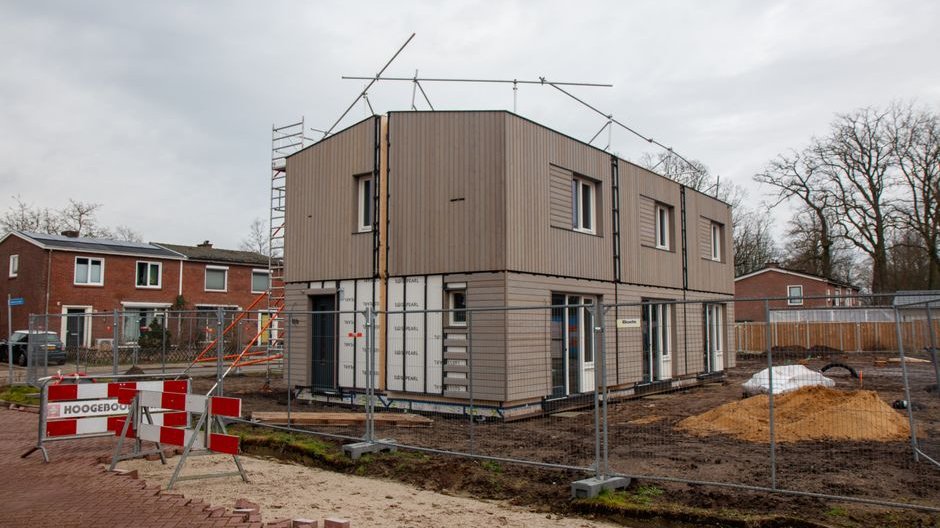
The Community Infrastructure Levy (CIL) on a new home in London depends on which borough and zone the home is in. Each borough sets its own rate per square metre, and the Mayor of London adds a city-wide rate on top, collected by the borough on the Mayor's behalf.
What CIL Is
CIL is a charge that councils can apply to most new development, to help pay for the infrastructure a growing area needs, such as roads, schools and open space. A council can only charge it once it has consulted on, approved and published a charging schedule. In London, both the borough and the Mayor charge CIL on qualifying development, and the borough collects both amounts together.
Rates are set in pounds per square metre of new floor space and are index-linked, meaning they rise each year in line with a national construction cost index. The exact figure payable on any given day comes from the borough's current annual CIL rate summary, not from a rate quoted in an old document.
Self-Build And Annexe Exemptions
If you are building your own home to live in, or adding an annexe or extension to your own home, you may be able to avoid paying CIL altogether:
- Self-build homes: exempt if you intend to live in the home and you apply for the exemption, and get it granted, before you start work.
- Residential annexes: exempt if the annexe is within the grounds of your main home, which must be your principal residence, and it creates one new dwelling.
- Extensions: exempt if the extension enlarges your main home without creating an extra, separate dwelling.
The exemption must be claimed before development starts. For a self-build home or annexe, you must also submit a commencement notice before work begins. If you miss this step, the council can apply a surcharge, and in some cases the exemption can be lost entirely. If you later let the annexe, sell it separately from the main house, or change how the property is used within three years of completion, the exemption can be clawed back and CIL becomes payable.
Residential CIL Rates By Borough
The list below shows the borough's own residential CIL rate for a sample of London boroughs, taken from our rates table, which we check against each council's annual CIL rate summary. The year in brackets shows which year's indexed figure it is. Rates are index-linked, so always check the borough's current annual CIL rate summary before relying on a number.
- Kensington and Chelsea, Zone A (highest value): £1,158.30 per m² (2026 figure)
- Kensington and Chelsea, Zone E: £293.44 per m² (2026 figure)
- Westminster, Core Zone: £577.12 per m² (2025 figure)
- Camden, All zones, under 10 homes: £585.33 per m² (2025 figure)
- Islington, Area B: £412.45 per m² (2025 figure)
- Hackney, Zone A: £286.83 per m² (2025 figure)
- Bromley, Borough-wide: £117.42 per m² (2025 figure)
- Southwark, Zone 3 (outer): £72.56 per m² (2025 figure)
- Barking and Dagenham, Zone 3 (rest of borough): £15.69 per m² (2026 figure)
The Mayor of London's CIL is added on top of the borough rate. The Mayor sets three bands: £80, £60 or £25 per square metre before indexation, depending on the borough. In Kensington and Chelsea the indexed Mayoral rate for 2026 is £96.97 per square metre.
The spread is large. The highest Kensington and Chelsea zone charges over 70 times the rate in outer Barking and Dagenham. Zones within one borough also differ a lot, so check which zone your address is in.
Worked Example
This is an illustration, not a quote. A new 100 square metre house in Kensington and Chelsea Zone E in 2026 would pay:
- Borough CIL: 100 m² × £293.44 = £29,344
- Mayoral CIL: 100 m² × £96.97 = £9,697
- Total: £39,041, before any exemption or relief
The same house in another borough or zone would pay a different amount.
Frequently Asked Questions
Do I pay CIL if I build my own home to live in? You can usually claim a self-build exemption, but you must apply for it and have it granted before you start work. Missing this step can mean losing the exemption and facing a surcharge.
Is CIL the same as Section 106? No. CIL is a standard charge per square metre of new floor space, set in a published schedule. Section 106 agreements are negotiated separately and usually cover specific obligations tied to a particular development, such as affordable housing.
Why do CIL rates vary so much between boroughs? Each council sets its own rate based on its own viability evidence and infrastructure needs, and many split their borough into zones based on land value. The Mayor's rate also varies across London.
Check Your Land
If you are planning a new home or an annexe, check your plot's planning position, including how any extension would be assessed, before you commit to costs.
See also: Can I build a house in my garden?, How Check My Land works, What a developer will pay for your land.
Own land somewhere in particular? The Land by postcode pages show recent sales, planning designations and the deciding council for each district.
More articles
Can I Apply for Planning Permission on Land I Don't Own?
Yes. Anyone can apply for planning permission on land they don't own, but they must notify the owner using the correct ownership certificate.
Airspace Development: Can I Build on Top of My Building?
Often yes, under permitted development rules that allow extra storeys on houses and blocks of flats, subject to prior approval and strict conditions.

Do I Need Planning Permission for a Garden Annexe?
Often no, if the annexe stays part of your home and fits size rules. You need full permission if it becomes a separate home.
Check your land for free
Find out which constraints affect your property and what your options are. Takes two minutes.
Check my land →