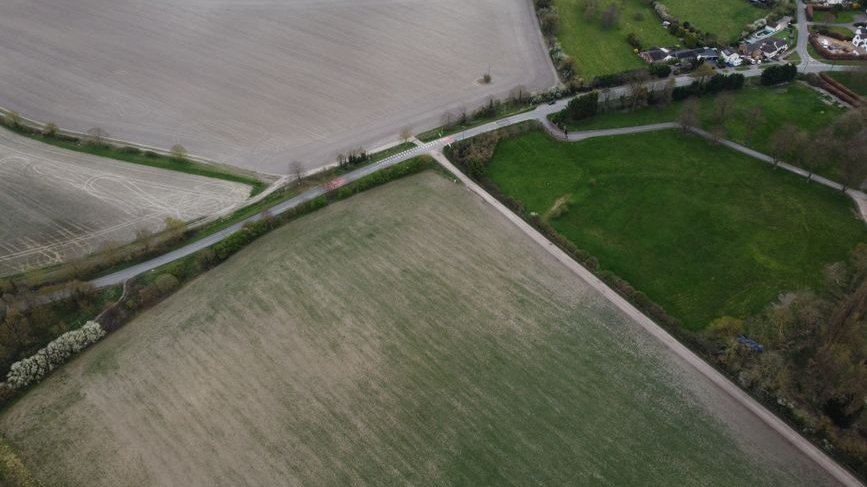
Can I Apply for Planning Permission on Land I Don't Own?
Yes, you can apply for planning permission on land you do not own. UK planning law lets anyone submit an application on any piece of land, but the applicant must tell the owner it is happening and must say so on the application form.
Why This Rule Exists
Planning permission attaches to the land, not to the person who applies for it. A grant of permission raises the value and potential of a site whoever owns it. The system is built to let developers, promoters and other interested parties test what a site could support before, or instead of, buying it. The owner does not have to agree to the application, and does not have to be consulted on the design. They only have to be told it is happening.
The Ownership Certificates: A, B, C And D
Every planning application form includes an ownership certificate. The applicant must tick one:
- Certificate A – the applicant is the sole owner of all the land.
- Certificate B – the applicant does not own all the land, but knows who the other owners are. The applicant must serve written notice on those owners before submitting the application.
- Certificate C – the applicant does not own all the land and knows some, but not all, of the other owners. Known owners get a written notice, and the applicant must also place a notice in a local newspaper for the owners they cannot identify.
- Certificate D – the applicant does not know who any of the other owners are. A newspaper notice is required.
Councils will not validate or process an application if the ownership certificate is missing, incomplete, or wrong. This notice requirement is how the system gives landowners a chance to know what is being proposed on their own land, even when they did not ask for it and are not applying themselves.
Why Buyers And Promoters Do This
A developer, housebuilder or land promoter may apply for permission on land they do not yet own for several reasons:
- To test whether a site is developable before agreeing a price or an option with the owner.
- To increase a site's value ahead of a sale or an option agreement, since land with permission is usually worth more than land without it.
- To secure permission as part of a promotion agreement, where the promoter takes on the planning risk and cost in exchange for a share of the increased value once the site sells.
Risks For The Owner
If you own land and receive a notice that someone else has applied for planning permission on it, take it seriously, even if you have no relationship with the applicant and have not agreed to sell. A few points matter:
- You are entitled to comment on the application as part of the normal consultation process, the same as any neighbour.
- A grant of permission does not force you to build, sell, or do anything. It simply sits attached to the land as a lawful option, usually for three years, before it lapses.
- Permission on your land without your involvement can still affect your plans, your neighbours' view of the site, and sometimes the value others attach to it.
- If you are approached afterwards by the applicant to buy or option the land, you are under no obligation to accept, and the fact permission exists does not set the price.
If this happens to you, it is worth finding out what has actually been applied for and what it means for your land before responding to any approach.
Frequently Asked Questions
Do I have to agree before someone applies for planning permission on my land? No. The applicant only has to notify you using the correct ownership certificate. Your agreement is not required to submit or determine the application.
Can someone get planning permission on my land without telling me? No, not lawfully. The ownership certificate system requires the applicant to serve notice on known owners, or advertise in a local newspaper if they cannot identify them.
Does planning permission on my land mean I have to sell it? No. Permission is attached to the land but does not force a sale or require you to build anything. It typically lapses after three years if unused.
Check Your Land
If you have received a notice about an application on your land, or you simply want to know what your land could support, start with a straightforward, independent check.
See also: Can I build a house in my garden?, How Check My Land works, Can I get planning permission on land I own?.
Own land somewhere in particular? The Land by postcode pages show recent sales, planning designations and the deciding council for each district.
More articles
How Much Is CIL on a New Home in London?
It depends on your borough and zone, and is charged per square metre on top of the Mayor's London-wide rate. Self-builders can often claim an exemption.

Airspace Development: Can I Build on Top of My Building?
Often yes, under permitted development rules that allow extra storeys on houses and blocks of flats, subject to prior approval and strict conditions.
Do I Need Planning Permission for a Garden Annexe?
Often no, if the annexe stays part of your home and fits size rules. You need full permission if it becomes a separate home.
Check your land for free
Find out which constraints affect your property and what your options are. Takes two minutes.
Check my land →