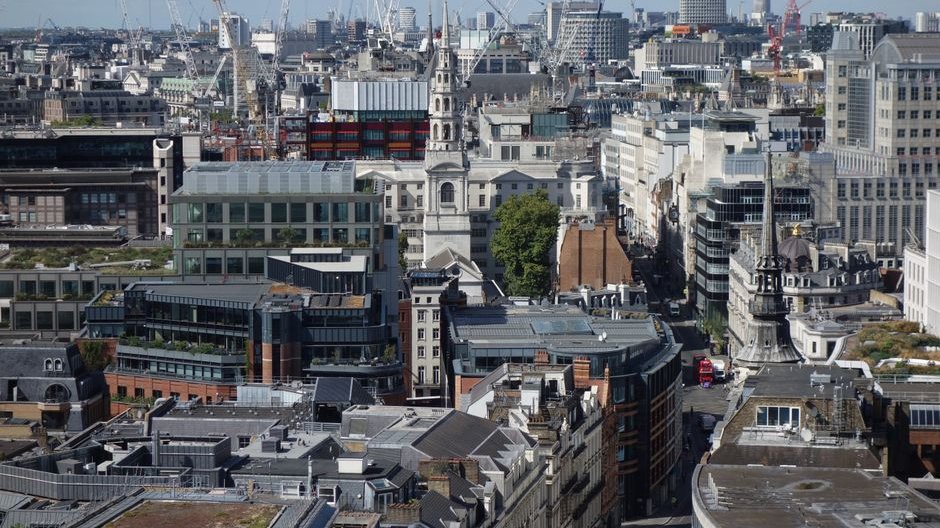
Airspace Development: Can I Build on Top of My Building?
Often yes, outside conservation areas. National permitted development rules allow extra storeys on many houses and purpose-built blocks of flats without a full planning application. You still need the council's prior approval first, and strict height and design conditions apply. In a conservation area these rights do not apply, so you need full planning permission.
Two Different Rules, Two Different Building Types
There are two separate permitted development rights that cover building upwards, and they apply to different types of building.
Houses (Class AA, Part 1, Schedule 2 of the General Permitted Development Order): This allows up to two additional storeys on a house with two or more storeys, or one additional storey on a single-storey house. The extended house must not be taller than 18 metres. The new roof must not be more than 3.5 metres above the existing roof on a single-storey house, or 7 metres above it on a house with two or more storeys. A semi-detached or terraced house also must not end up more than 3.5 metres taller than the roof of the house it is joined to. The house must have been built between 1 July 1948 and 28 October 2018, must not already have had an added storey, and must stay in use as a single dwelling.
Purpose-built blocks of flats, and qualifying commercial buildings (Part 20, Schedule 2): Class A covers up to two additional storeys of new flats on a detached, purpose-built block of flats that is already at least three storeys tall and was built between 1948 and 5 March 2018. Class AA covers a similar right for detached buildings in commercial use, such as shops or offices, converting the new top storeys into new homes. Both classes cap the new roof height increase at 7 metres and the overall building height at 30 metres.
Prior Approval Is Required Either Way
None of these rights are automatic. Before work starts, you must apply to the council for prior approval, and the council assesses matters including:
- Impact on neighbours, including loss of light, privacy and overlooking.
- External appearance, especially the principal elevation and any side elevation facing a highway.
- Impact on air traffic, defence assets, and in some cases protected views.
- A construction management plan covering noise, dust and traffic during the works.
- For the flats and commercial-building rights, fire safety for taller buildings, and the impact of new homes on nearby businesses.
Work cannot start until written prior approval has been granted, and once granted the development must be completed within three years.
What's Excluded
These rights do not apply to:
- Houses or buildings that have already had storeys added under these rules, or similar enlargement.
- Houses or buildings that would need visible external support structures to carry the extra storeys.
- Buildings in a conservation area, a National Park, an Area of Outstanding Natural Beauty or a World Heritage Site.
- Listed buildings and buildings within the curtilage of a listed building.
- Sites close to an aerodrome or within a site of special scientific interest.
- Buildings outside the relevant construction date windows.
An Article 4 direction can also remove these rights locally, so always check the position for your building (see our guide on what an Article 4 direction is).
Leaseholders And Freeholders
Building upwards on a block of flats raises ownership questions the permitted development rules do not deal with. Airspace above a block is normally part of the freehold, so a freeholder usually needs to control, or agree terms with, the airspace rights before any upward extension can go ahead. Leaseholders in the block may have rights under their leases, which is a legal question separate from planning permission. Get specific legal advice on the ownership and lease position before assuming a prior approval application can simply proceed.
London Context
Much of inner London is in conservation areas, including large parts of Kensington and Chelsea and Westminster. On those streets the national airspace rights do not apply, and an extra storey needs a full planning application. Check whether your building is in a conservation area before planning anything.
Frequently Asked Questions
Can I add a storey to my house without planning permission? Often yes, under Class AA of the General Permitted Development Order, if the house is not in a conservation area or other protected area. You still need prior approval from the council before starting, and strict height and construction-date conditions apply.
Can a freeholder build on top of a block of flats without the leaseholders' agreement? Planning permitted development rights and leasehold ownership rights are separate. Even with planning permitted development in place, the freeholder may still need to deal with leaseholders' rights under the lease and relevant legislation before building.
Does a conservation area stop airspace development? Yes, for the permitted development route. These rights do not apply in conservation areas, so an extra storey there needs a full planning application. It can still be approved, but the council will judge it against its design policies.
Check Your Land
If you are considering building upwards, check your building's planning status and any local restrictions first.
See also: Can I build a house in my garden?, How Check My Land works, Is my land in the green belt?.
Own land somewhere in particular? The Land by postcode pages show recent sales, planning designations and the deciding council for each district.
More articles
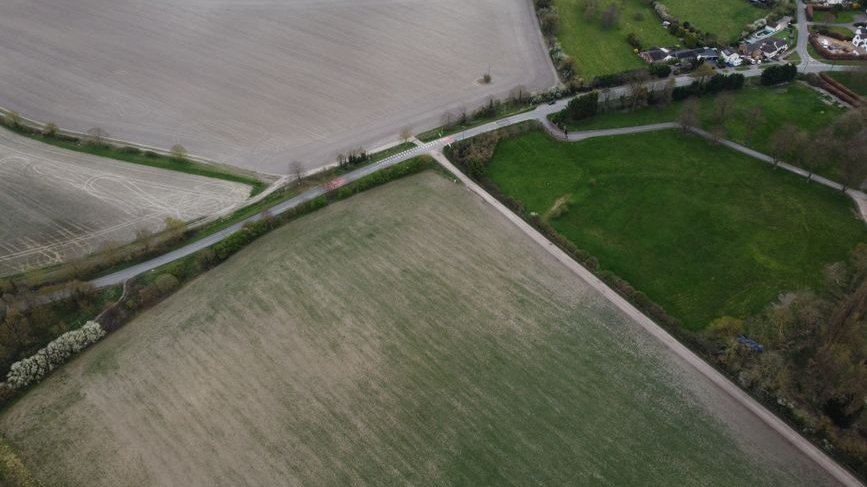
Can I Apply for Planning Permission on Land I Don't Own?
Yes. Anyone can apply for planning permission on land they don't own, but they must notify the owner using the correct ownership certificate.
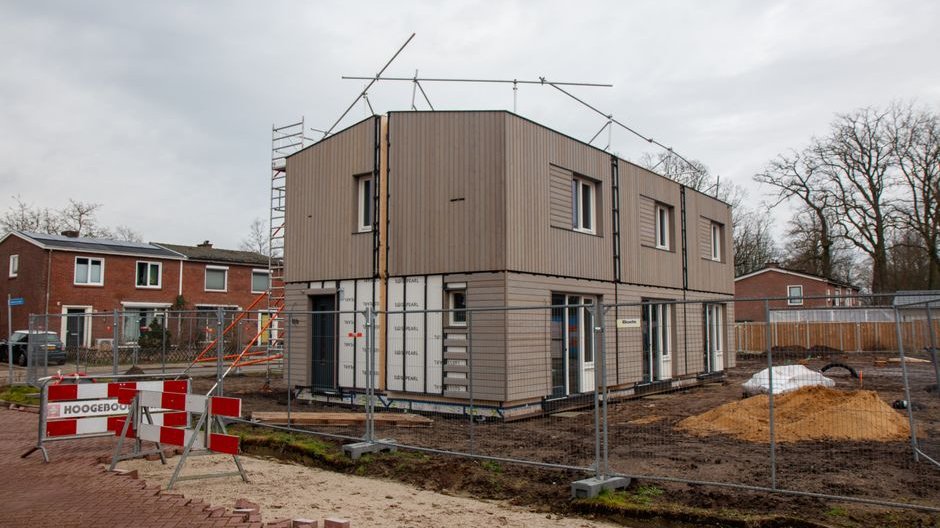
How Much Is CIL on a New Home in London?
It depends on your borough and zone, and is charged per square metre on top of the Mayor's London-wide rate. Self-builders can often claim an exemption.
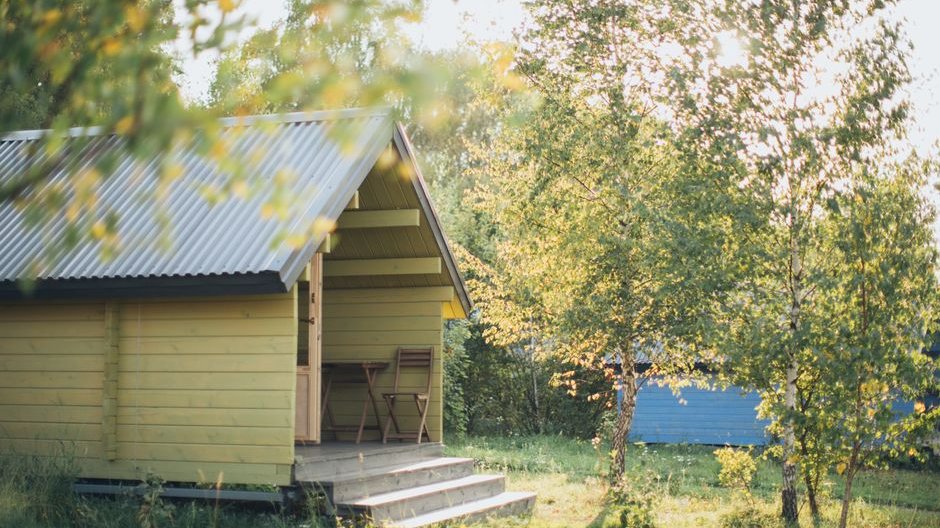
Do I Need Planning Permission for a Garden Annexe?
Often no, if the annexe stays part of your home and fits size rules. You need full permission if it becomes a separate home.
Check your land for free
Find out which constraints affect your property and what your options are. Takes two minutes.
Check my land →