Can I Apply for Planning Permission on Land I Don't Own?
Check My Land24 November 2026·6 min read
planning permissionland ownershipownership certificate
Yes. Anyone can apply for planning permission on land they don't own, but they must notify the owner using the correct ownership certificate.
Read more →
How Much Is CIL on a New Home in London?
Check My Land20 November 2026·7 min read
CILCommunity Infrastructure LevyLondon planningself-build
It depends on your borough and zone, and is charged per square metre on top of the Mayor's London-wide rate. Self-builders can often claim an exemption.
Read more →
Airspace Development: Can I Build on Top of My Building?
Check My Land17 November 2026·7 min read
airspace developmentpermitted developmentadditional storeysLondon
Often yes, under permitted development rules that allow extra storeys on houses and blocks of flats, subject to prior approval and strict conditions.
Read more →
Do I Need Planning Permission for a Garden Annexe?
Check My Land13 November 2026·6 min read
annexepermitted developmentgardenplanning permission
Often no, if the annexe stays part of your home and fits size rules. You need full permission if it becomes a separate home.
Read more →
Can I Build in a Conservation Area?
Check My Land10 November 2026·6 min read
conservation areapermitted developmenttreesdemolition
Yes, new homes and extensions are still possible, but permitted development rights are reduced and demolition needs separate consent.
Read more →
What Is an Article 4 Direction?
Check My Land10 November 2026·6 min read
article 4 directionpermitted developmentconservation area
An order that removes specific permitted development rights in an area, so work that would normally need no application needs full planning permission instead.
Read more →
New Planning Rules Make It Easier to Build a Home in Your Garden
Check My Land6 November 2026·3 min read
garden plotplanning permissionnational policy
New national planning policy tells councils to give substantial weight to new homes in existing gardens. Here is what changed, the three tests a scheme must pass, and what it means for your plot.
Read more →
Committee or officer: who decides small schemes in London?
Check My Land8 October 2026·2 min read
londonplanning committeeplanning permission
About one in twenty-five small London housing schemes goes to committee. Here is how the approval rates compare and what it means for a landowner.
Read more →
How long does planning take in London for a small scheme?
Check My Land7 October 2026·2 min read
londonplanning permissiontimescales
The median small housing scheme in London takes 92 days to decide, from 57 days in Barking and Dagenham to 329 in Camden.
Read more →
How many homes should you apply for on your London plot?
Check My Land6 October 2026·2 min read
londonplanning permissionsmall sites
Across London, one home, two to three homes and four to nine homes are approved at similar rates, but a few boroughs behave very differently.
Read more →
Which London boroughs approve small housing schemes
Check My Land5 October 2026·3 min read
londonplanning permissionboroughs
We ranked London's boroughs by how often they approved schemes of one to nine homes since 2021, from Merton at 71 per cent to Havering at 30.
Read more →
Where do I start with planning on my London land?
Check My Land3 October 2026·2 min read
londonplanning permissiongetting started
A seven-step order of play for a London landowner who thinks a plot might take a home or two: constraints, precedent, access, route and council.
Read more →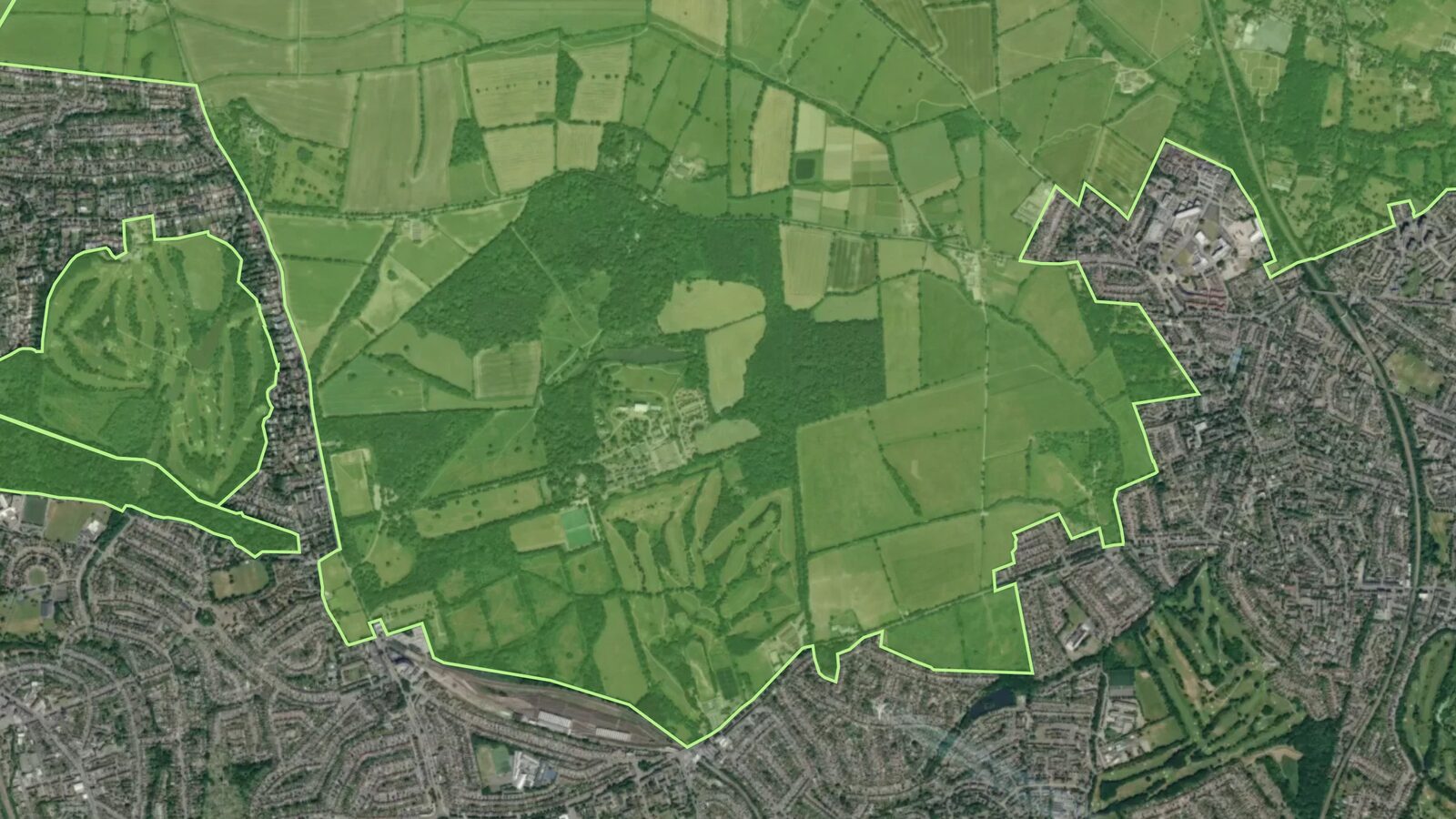
Can my land in London be developed? What 9,756 small-scheme decisions since 2021 say
Check My Land1 October 2026·4 min read
londongarden plotplanning permissionsmall sites
Since 2021 London councils decided 9,756 applications for one to nine new homes and approved 47 per cent. Borough by borough, where small schemes and garden plots get permission, where they do not, and how long it takes.
Read more →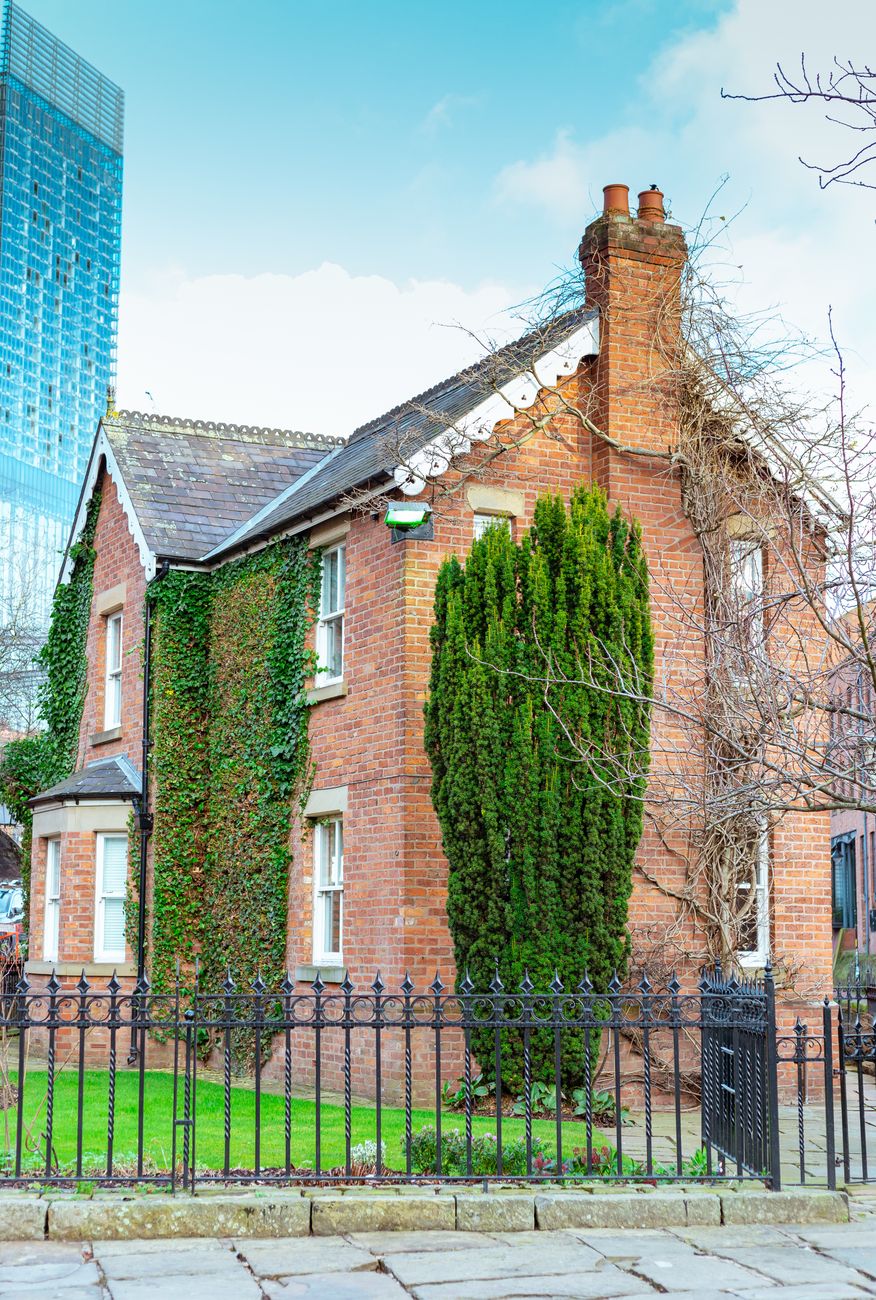
Can You Sell Part of Your Garden? Here's What's Actually Involved
Check My Land7 September 2026·6 min read
garden plotsselling landplanning permissionland valuehomeowners
Selling off a slice of your garden for someone else to build on sounds simple, but it touches your title deeds, your mortgage, your access, and your neighbours. Here's what to check before you put a for-sale sign on the flower bed.
Read more →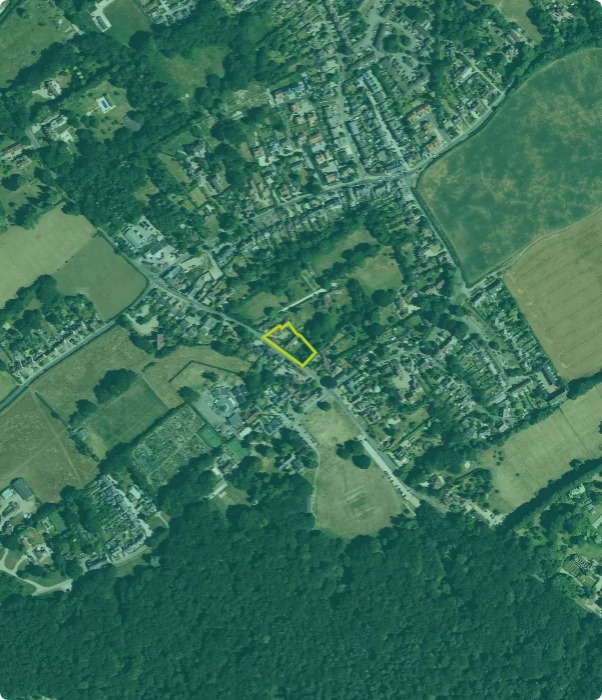
Is my land in the Green Belt, and what does that mean for selling it?
Check My Land5 September 2026·5 min read
green beltselling landplanning
Green Belt is a boundary, not a verdict. The three questions that decide whether a Green Belt plot has development value, and how developers price each answer.
Read more →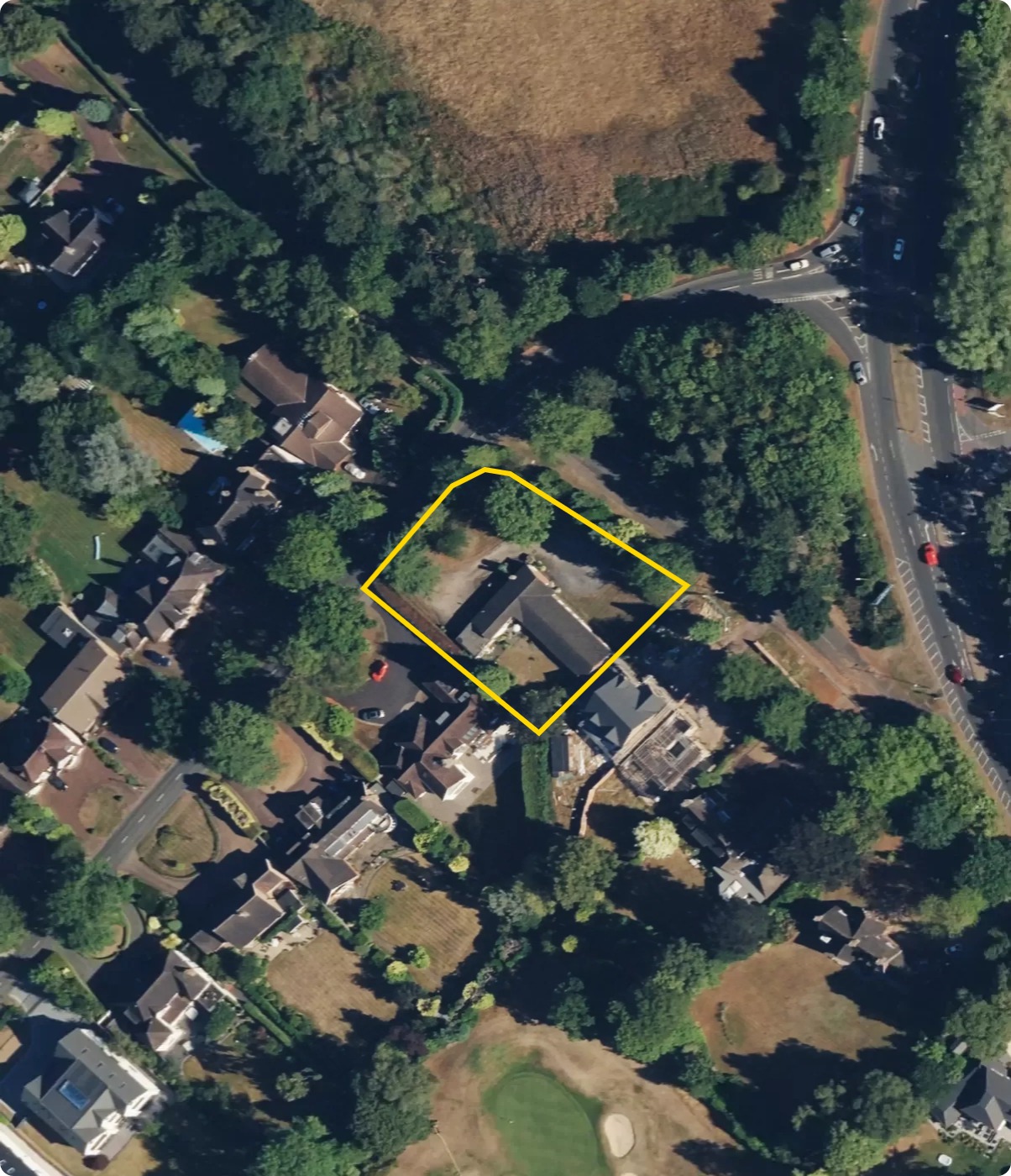
What a developer will actually pay for your land: the residual method in plain English
Check My Land22 August 2026·3 min read
land valuedevelopersselling land
Every housebuilder prices land the same way. Here is the method, why offers for the same plot differ, and how to check a number in ten minutes.
Read more →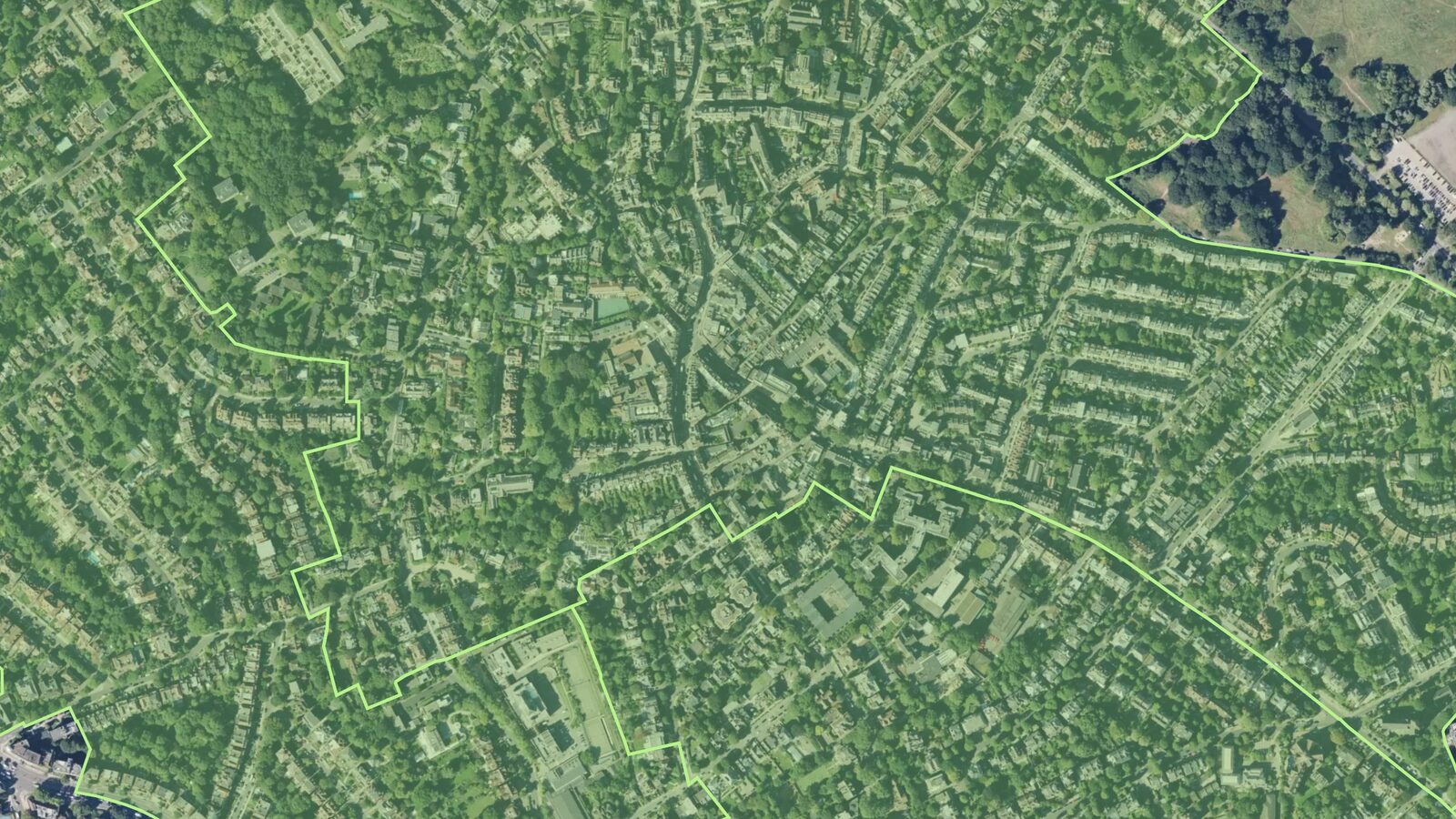
Can I get planning permission on land I own? The five checks to make first
Check My Land8 August 2026·3 min read
planning permissiongarden plotdevelopment potential
Settlement boundary, designations, access, neighbours and nearby decisions: the five checks a planning officer makes, and how to make them yourself before paying anyone.
Read more →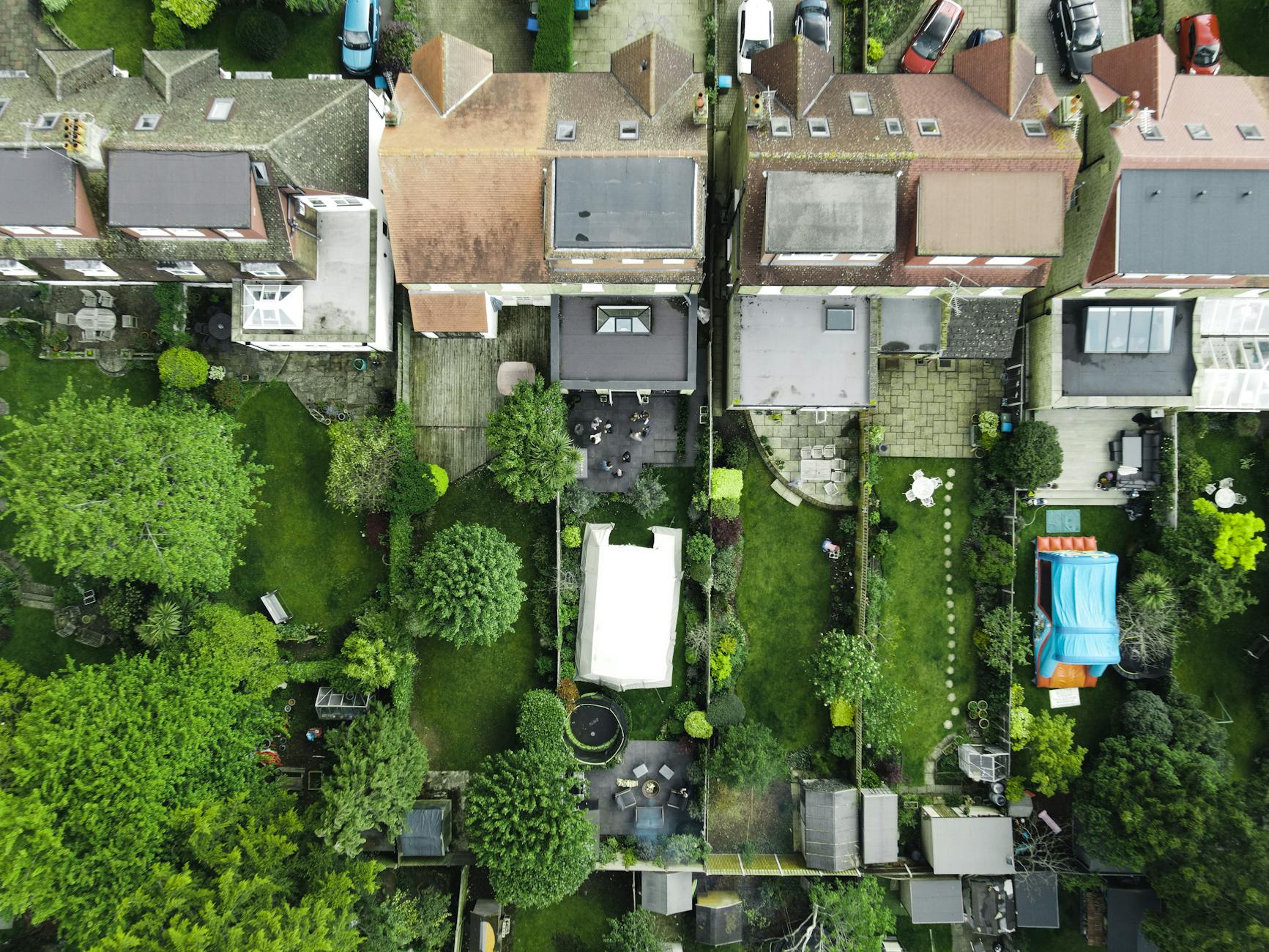
How Much Is My Garden Worth to a Developer?
Check My Land7 April 2026·5 min read
land valuegarden developmentselling landplanning permissionUK property
If a developer has approached you about your garden, or you're simply curious what it might fetch, the answer depends almost entirely on what can be built, not on what the land means to you. Here's how the numbers actually work.
Read more →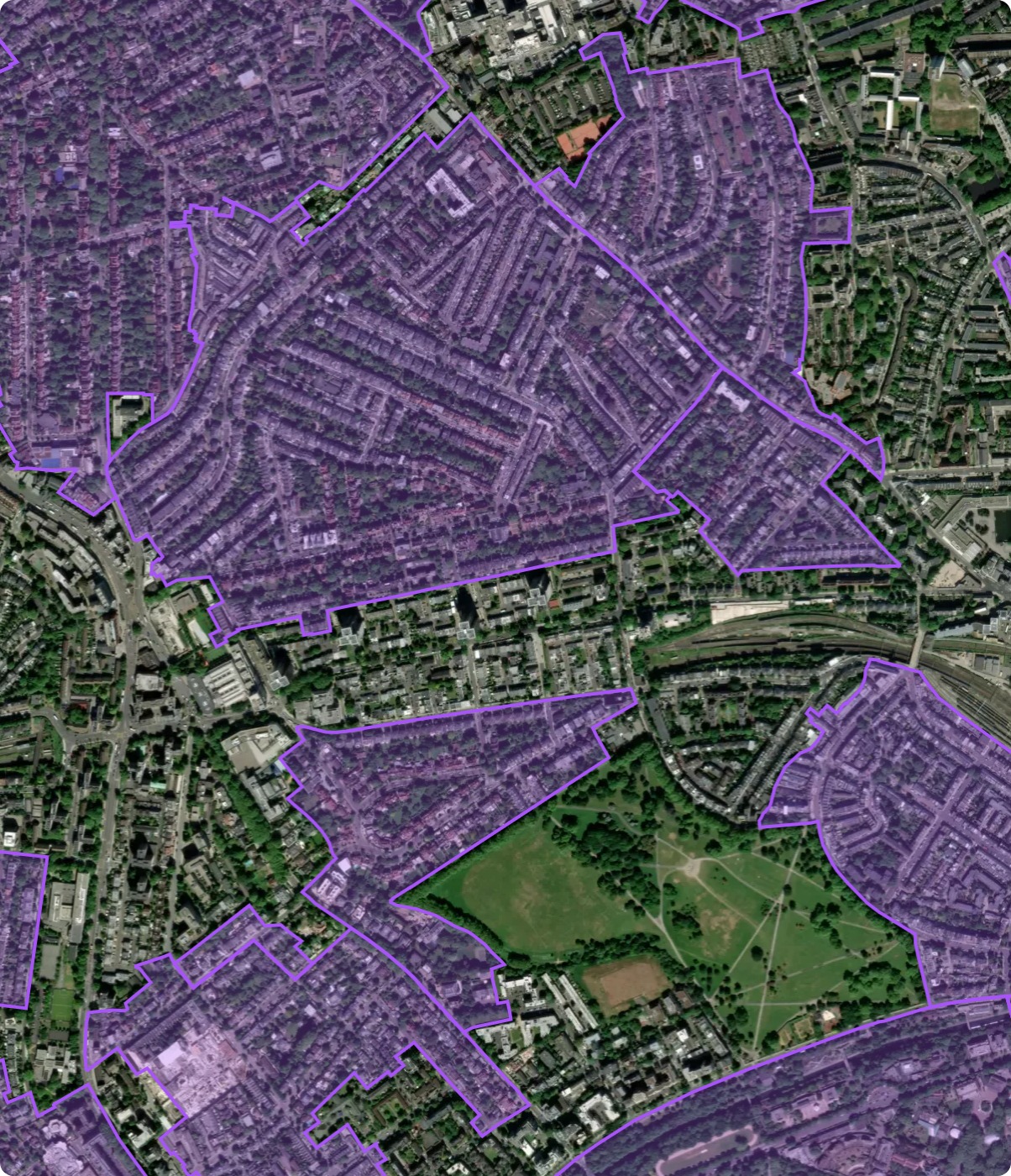
What is a planning constraint: and does yours matter?
Check My Land5 April 2026·4 min read
Planning constraints affect what you can build on your land. But not all constraints are equal, some are deal-breakers, others just change the path forward.
Read more →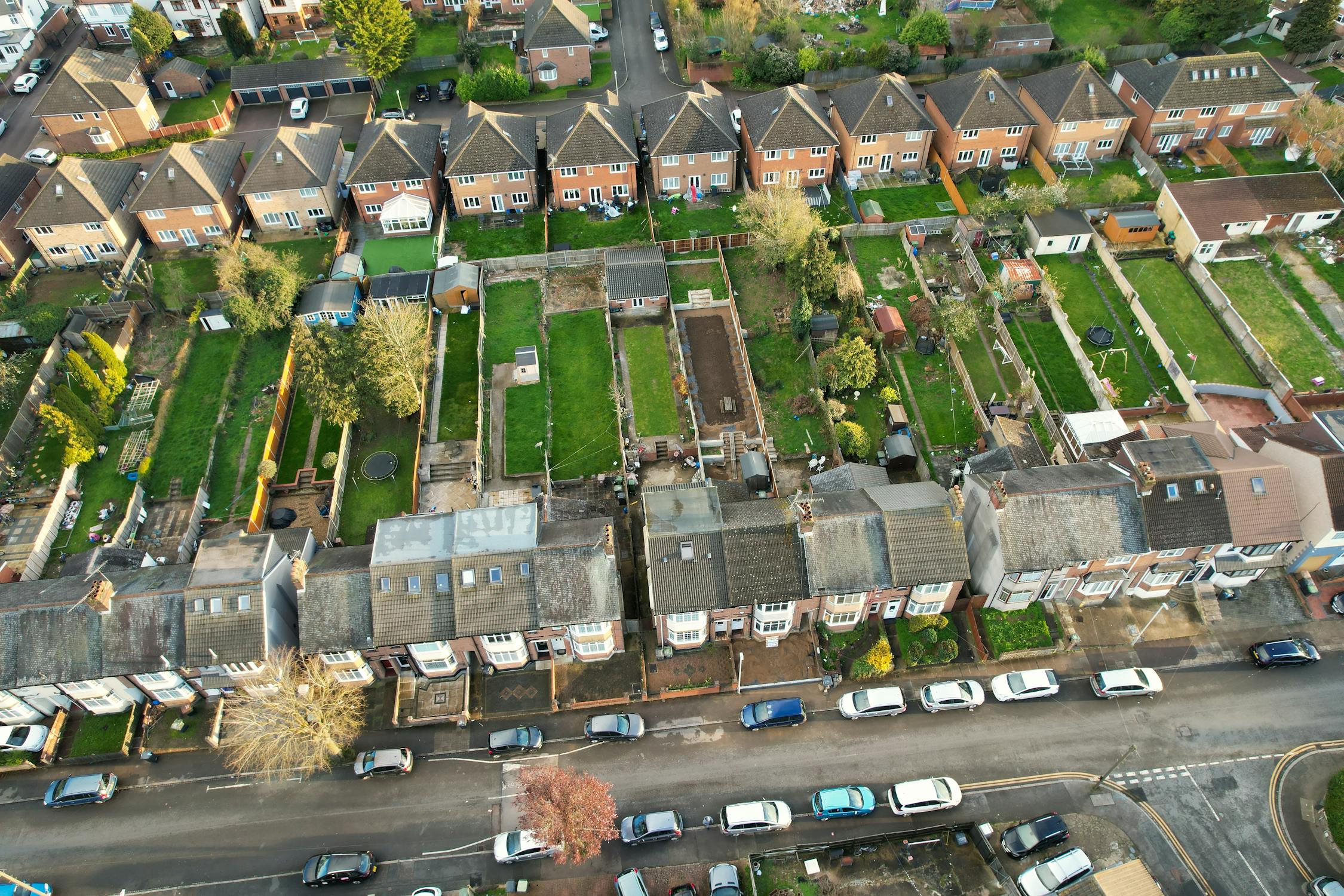
What does 'development potential' actually mean?
Check My Land5 April 2026·4 min read
planningland valuedevelopment
The phrase gets thrown around constantly, but what does it actually mean when an estate agent, developer, or solicitor says your land has development potential?
Read more →
The three things that decide every land deal
Check My Land4 April 2026·5 min read
land dealsplanningtaxcosts
Whether you're selling a garden plot or a farmyard, every land transaction comes down to the same three variables. Understanding them changes how you think about your options.
Read more →
What is development potential?
Check My Land4 April 2026·7 min read
planningdevelopmentvaluation
Development potential is what determines whether your land could be worth far more than its current use. Here's how to understand it.
Read more →
How to sell land with planning potential
Check My Land4 April 2026·9 min read
sellingnegotiationdeal-structures
Land with planning potential can be worth 5–20x its current use value. Knowing how to sell it makes all the difference.
Read more →
What is a planning gain?
Check My Land4 April 2026·5 min read
valuationplanning-gainnegotiation
Planning gain is the increase in land value that comes with planning permission. Most landowners give it away without realising.
Read more →
Option agreements explained: and when they're worth it
Check My Land3 April 2026·4 min read
option agreementsland dealsdevelopers
An option agreement is one of the most common ways developers approach landowners. Here's what they actually are, how they work, and the questions you should ask before signing one.
Read more →
Should you sell your garden for development?
Check My Land2 April 2026·4 min read
garden developmenthomeownersplanning
Thousands of UK homeowners have gardens large enough to interest developers. But 'can you?' and 'should you?' are very different questions.
Read more →
Getting Started with Check My Land
Check My Land1 April 2026·1 min read
Learn how to assess your land development potential with Check My Land, our free valuation tool for landowners.
Read more →