Whether you're selling a garden plot, a paddock, or a larger agricultural holding, every land transaction ultimately comes down to three things: risk, time, and cost. They're always in tension. You can usually optimise for one or two of them. but rarely all three at once.
Understanding this triangle is the first step to knowing which deal structure actually suits your situation.
Risk: who bears the planning uncertainty?
Planning permission is what turns potential into value. But planning is uncertain. applications get refused, conditions get imposed, timescales stretch. Whoever bears that risk in a deal usually gets the upside if it works out.
In a straightforward sale, the buyer takes all the planning risk. That's why you'll often find that the price offered for land without planning is conservative. the developer is pricing in the possibility that permission isn't granted, or takes longer than expected.
In an option agreement, the developer pays a relatively small fee upfront for the right (but not the obligation) to buy your land, usually once planning has been secured. You retain the land in the meantime. The developer takes the planning risk; you participate in the upside if it works out.
In a promotion agreement, a specialist firm takes on the planning and sale process entirely, on a success-only basis. They fund everything; you get a percentage of the eventual sale proceeds once planning and sale complete.
Each structure allocates risk differently. The right one depends on how much uncertainty you can absorb, and how much upside you want in return.
Time: how long until you see money?
Land deals are not quick. Even a straightforward sale to an informed buyer typically takes months. More complex structures. options, promotions, joint ventures. can take years.
Option agreements often have terms of five to seven years, sometimes longer. The developer may spend two or three years working up a planning application. If it fails, they may try again, or the option may lapse.
Promotion agreements can take even longer if the site requires an allocation in the local plan. a process that can take a decade.
Time has a cost beyond just patience. Money tied up in land isn't available for other uses. Tax-planning opportunities can shift. Personal circumstances change.
The best deal on paper can look very different once you account for how long you'll wait for it.
Cost: the deductions you don't always see coming
The gross value of a land deal and the net amount you receive can be very different numbers. The gap is filled with costs that landowners often don't anticipate until late in the process.
Legal fees on a land transaction are typically higher than a residential conveyancing. The negotiations are more complex, the due diligence more extensive.
Capital Gains Tax (CGT) applies to the profit on land sales. The rate, the reliefs available, and the timing of the liability all vary by deal structure, and CGT planning can meaningfully affect your net outcome.
Contributions to infrastructure. through Section 106 agreements or the Community Infrastructure Levy. are often required as conditions of planning permission and can significantly reduce the residual land value.
Then there are the costs that are harder to quantify: professional fees, time, the emotional cost of a lengthy and uncertain process.
Why this matters before you decide anything
Most landowners who receive an approach from a developer focus on the headline offer. But the three variables above are what determine whether that headline ever translates into money in your pocket. and how much.
Getting a clear picture of your site's potential first. before you're in a negotiation. is the single most useful thing you can do. It tells you what your land might realistically achieve, what structures make sense, and where your leverage actually is.
That's what our free assessment is designed to give you.
Own land somewhere in particular? The Land by postcode pages show recent sales, planning designations and the deciding council for each district.
More articles
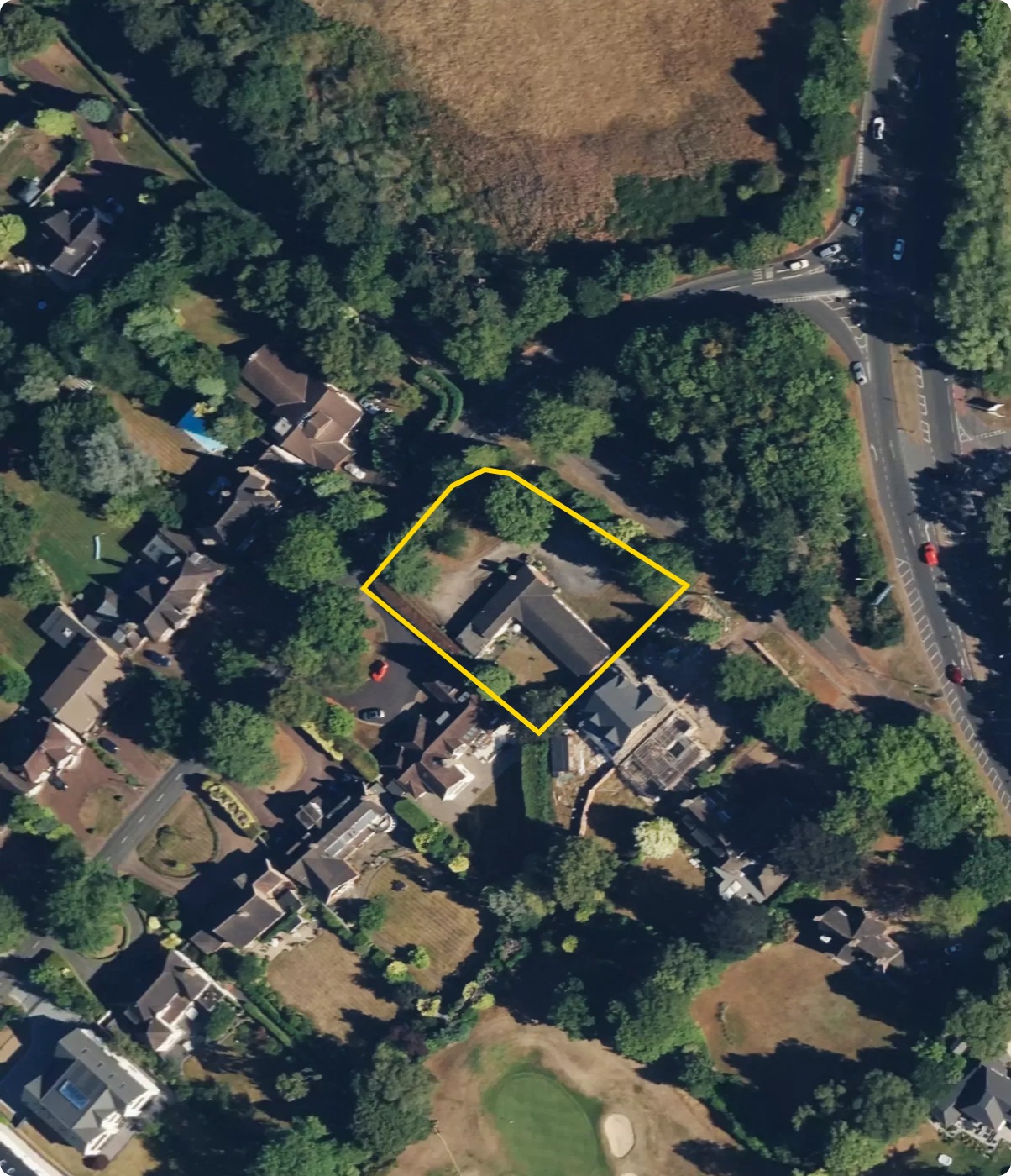
How many homes should you apply for on your London plot?
Across London, one home, two to three homes and four to nine homes are approved at similar rates, but a few boroughs behave very differently.
Which London boroughs approve small housing schemes
We ranked London's boroughs by how often they approved schemes of one to nine homes since 2021, from Merton at 71 per cent to Havering at 30.
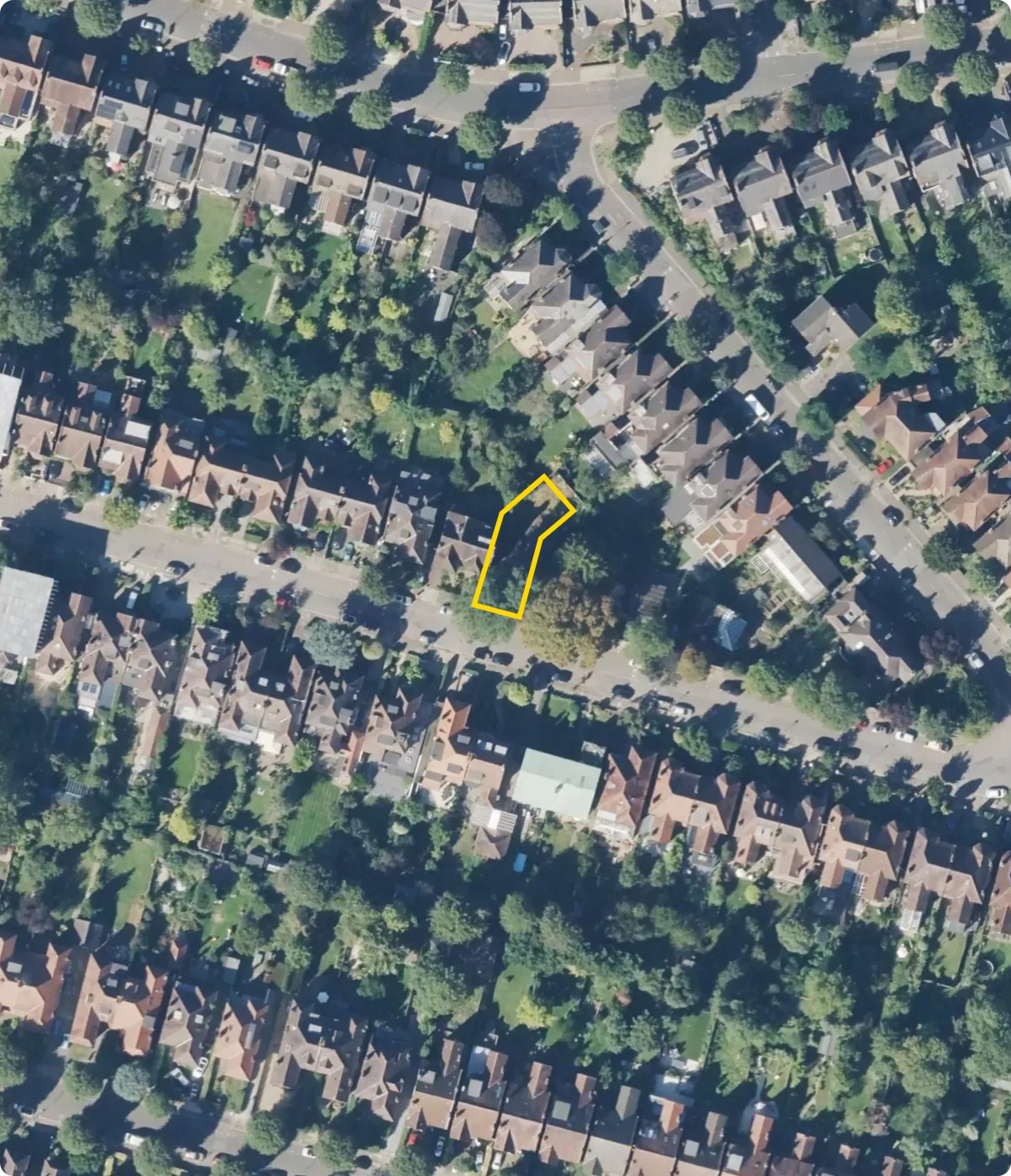
Where do I start with planning on my London land?
A seven-step order of play for a London landowner who thinks a plot might take a home or two: constraints, precedent, access, route and council.
Check your land for free
Find out which constraints affect your property and what your options are. Takes two minutes.
Check my land →