The honest answer: it depends on what can be built
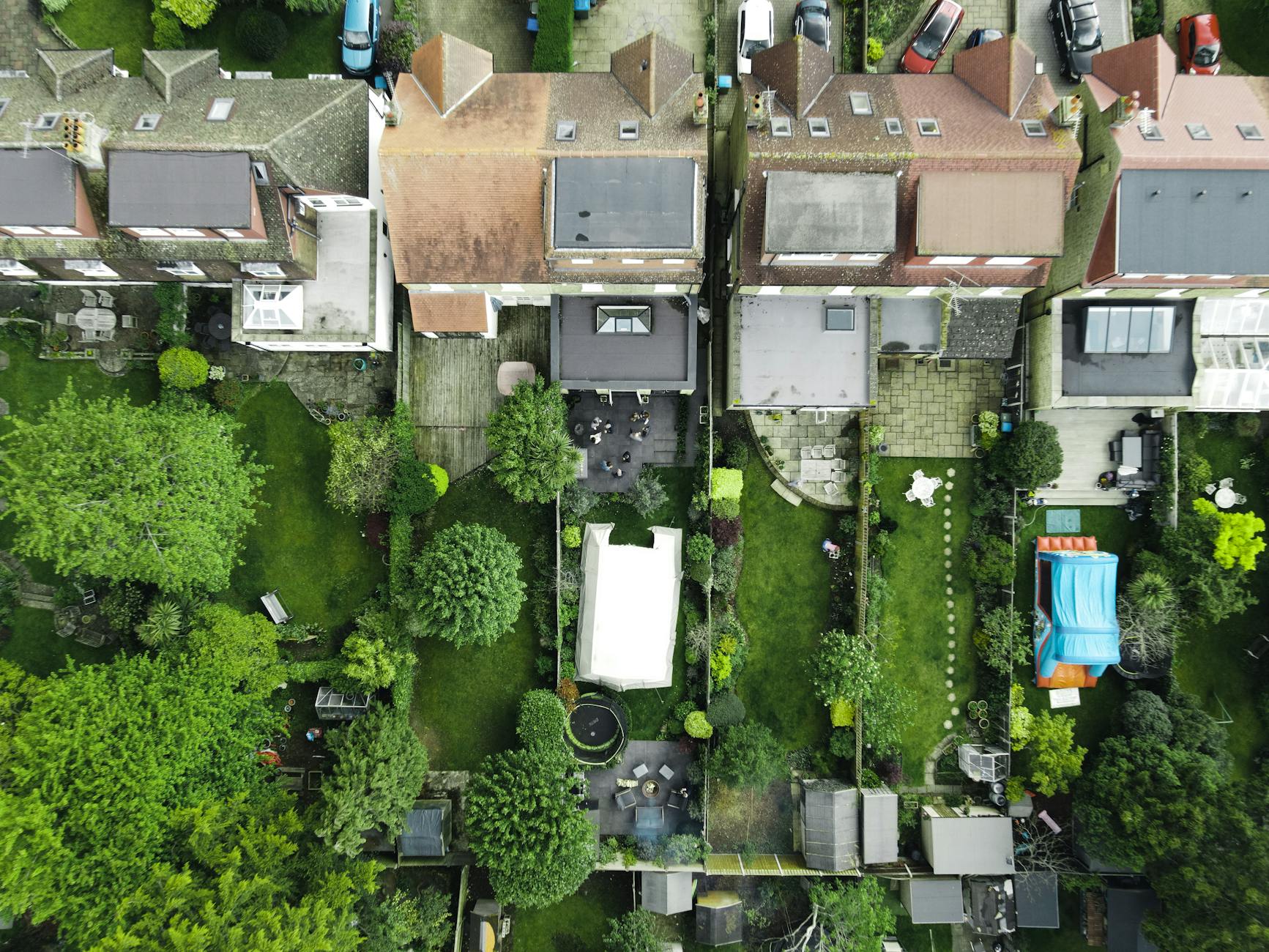
Most homeowners who ask this question are hoping for a number. The truth is, your garden's value to a developer has almost nothing to do with what it means to you, and everything to do with what they can build on it and sell for a profit.
Developers don't pay for land. They pay for future profit, minus their costs and risk. Understanding that logic is the only way to make sense of any figure you're given.
How developers calculate what to offer
The method is called residual land value. It works like this:
- Estimate what can be built, A developer looks at your plot and works out what planning permission they could realistically get. One house? Two flats? More?
- Estimate the end value, What would those homes sell for at today's prices?
- Deduct all costs, Build costs, professional fees, finance, sales costs, and their profit margin (typically 15–25%).
- What's left is what they'll pay you.
If a developer believes they can build a single house on your garden and sell it for £400,000, and their total costs come to £300,000 including profit, they'll offer you around £100,000. That's the residual.
The implication matters: two gardens in the same street could be worth very different amounts if one can accommodate two units and the other can only fit one.
The factors that move the number
Location is the dominant factor, because it drives the end sale value. A London garden plot can be worth ten times more than an equivalent plot in a rural market town, even if the planning position is identical.
Size and shape determine what can actually be built. Most councils require a minimum garden depth and overall plot area before they'll grant permission for a new dwelling, often around 100sqm of garden, but it varies by borough and local policy. An awkward or narrow plot may not be viable at all. A larger rectangular plot might accommodate two units where a smaller one can only support one.
Access is frequently overlooked. A new dwelling needs its own access to the highway, a dropped kerb and a driveway at minimum. If your garden only has access through your existing property, a developer may need a legal easement from you, or the whole scheme may be unviable.
Planning constraints reduce value, sometimes to zero. Green belt designations, flood risk zones, conservation areas, listed building curtilages, and protected trees all limit what can be built and increase planning risk. A developer pricing a constrained plot is pricing in the real possibility that they spend money on a planning application and get refused.
Existing planning permission increases value significantly. If you already have outline or full permission on the land, much of the developer's risk disappears, and they'll pay accordingly.
What figures are realistic?
Without knowing your specific site, any number is speculative. But to give you a rough sense:
- A plot for a single house in outer London or a prosperous commuter town might achieve £150,000–£400,000.
- The same plot in central London could be worth £500,000–£1 million or more.
- A similar plot in a smaller regional town might be £60,000–£150,000.
- A plot with constraints, an awkward shape, or poor access may be worth very little, or nothing at all to a developer.
These are rough guides only. The actual figure for your garden requires a proper, site-specific assessment.
Why the first offer is rarely the best one
Developers approach this as a negotiation. The first figure they give you is not a valuation, it's an opening position. They will have already modelled what the plot is worth and left room to move upward if pressed.
Homeowners who accept the first offer without independent advice routinely leave money on the table. A developer who opens at £120,000 may have modelled the plot at £180,000, and banked on you not knowing the difference.
The way to protect yourself is to understand the residual value before you enter any conversation. That means knowing what can be built, what it would sell for, and what realistic costs look like. Speaking to a land agent or chartered surveyor who operates in this space before accepting anything is money well spent.
The questions worth asking first
Before you take any developer meeting seriously, get answers to these:
- What planning constraints sit on your land right now?
- Is your garden large enough to be a viable plot under your local council's policies?
- How many units could realistically achieve planning permission?
- What do comparable new homes sell for nearby?
- Has someone already approached you, and if so, why?
That last question is worth sitting with. Developers do not approach homeowners by accident. If someone has knocked on your door or sent a letter about your garden, they have already done enough due diligence to believe there is something worth pursuing. Knowing that before you respond puts you in a much stronger position.
Check My Land gives UK homeowners a free constraints report for any address, showing the planning designations, restrictions, and development indicators that a developer would check before making an approach. It won't give you a definitive price (no tool can without a full valuation), but it will tell you exactly what you're dealing with before you speak to anyone.
Own land somewhere in particular? The Land by postcode pages show recent sales, planning designations and the deciding council for each district.
More articles
How long does planning take in London for a small scheme?
The median small housing scheme in London takes 92 days to decide, from 57 days in Barking and Dagenham to 329 in Camden.
How many homes should you apply for on your London plot?
Across London, one home, two to three homes and four to nine homes are approved at similar rates, but a few boroughs behave very differently.
Which London boroughs approve small housing schemes
We ranked London's boroughs by how often they approved schemes of one to nine homes since 2021, from Merton at 71 per cent to Havering at 30.
Check your land for free
Find out which constraints affect your property and what your options are. Takes two minutes.
Check my land →