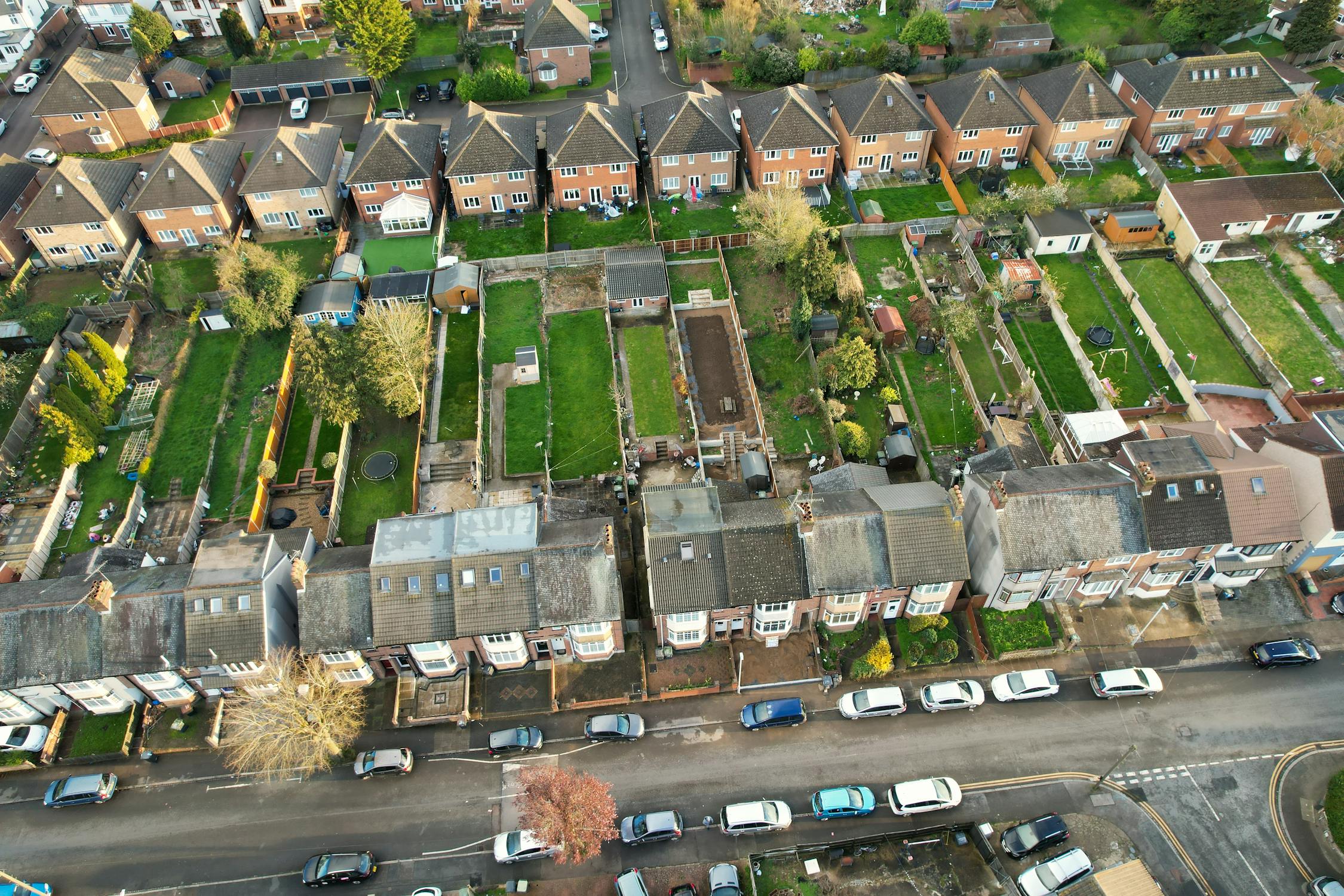
The phrase gets thrown around constantly. You might have heard it from a neighbour who sold their plot, read it in a letter from a developer, or noticed it mentioned when you looked up your property details. But what does "development potential" actually mean. and why does it matter so much?
Land value before and after planning permission
The short answer is this: land without planning permission is worth one thing. Land with planning permission is often worth many times more.
The reason is simple. Building houses is profitable. The price a developer will pay for a plot is directly tied to what they expect to build on it and what those homes will sell for. If your land doesn't yet have permission to build, that uncertainty is priced in. heavily. If it does, the risk disappears and the value follows.
In some parts of the UK, this gap is striking. Agricultural land might sell for £10,000–£25,000 per acre without planning. The same acre, with residential permission, can be worth hundreds of thousands or more. depending on location, access, and the local housing market.
What creates development potential?
Not all land is equal, and "potential" is always qualified. The factors that matter most include:
Planning designation. Is your land inside the settlement boundary? Is it greenbelt, flood zone, or within a conservation area? These designations set the baseline for what's possible. and they're the first thing any professional will check.
Size and shape. Can you fit a usable unit on the plot? Irregular shapes, awkward access, or sites that are too small or too narrow can limit what's developable even if the planning designation is favourable.
Neighbouring precedent. Has planning permission been granted nearby for similar development? Local planning authorities are heavily influenced by what's already been allowed. which is why a recently approved garden subdivision on the same street can be significant.
Infrastructure and access. Is there road access? Can utilities be connected? A plot that requires significant infrastructure investment is worth less to a developer, because those costs come out of their margin.
Local planning policy. Local plans set out where growth is expected and where it isn't. Some areas are actively looking for small sites to meet housing targets. Others have tight policies that resist backland development or subdivision.
Why it's hard to assess without expertise
The challenge is that no single factor determines potential on its own. A site that fails on one dimension might succeed on another. A large plot in a protected area might have limited potential; a smaller one in a high-demand location with recent precedent might be very attractive to developers.
This is why "development potential" isn't something you can look up on a single website and get a reliable answer. It requires someone to look at your specific site. its location, its constraints, its neighbours, and its planning history. and give you a considered view.
That's exactly what we do at Check My Land. Our assessments are reviewed by qualified architects who look at the full picture: planning policy, site characteristics, and local precedent. You get a clear written summary of what your land could realistically achieve. and what the constraints are. Free, with no obligation.
Own land somewhere in particular? The Land by postcode pages show recent sales, planning designations and the deciding council for each district.
More articles
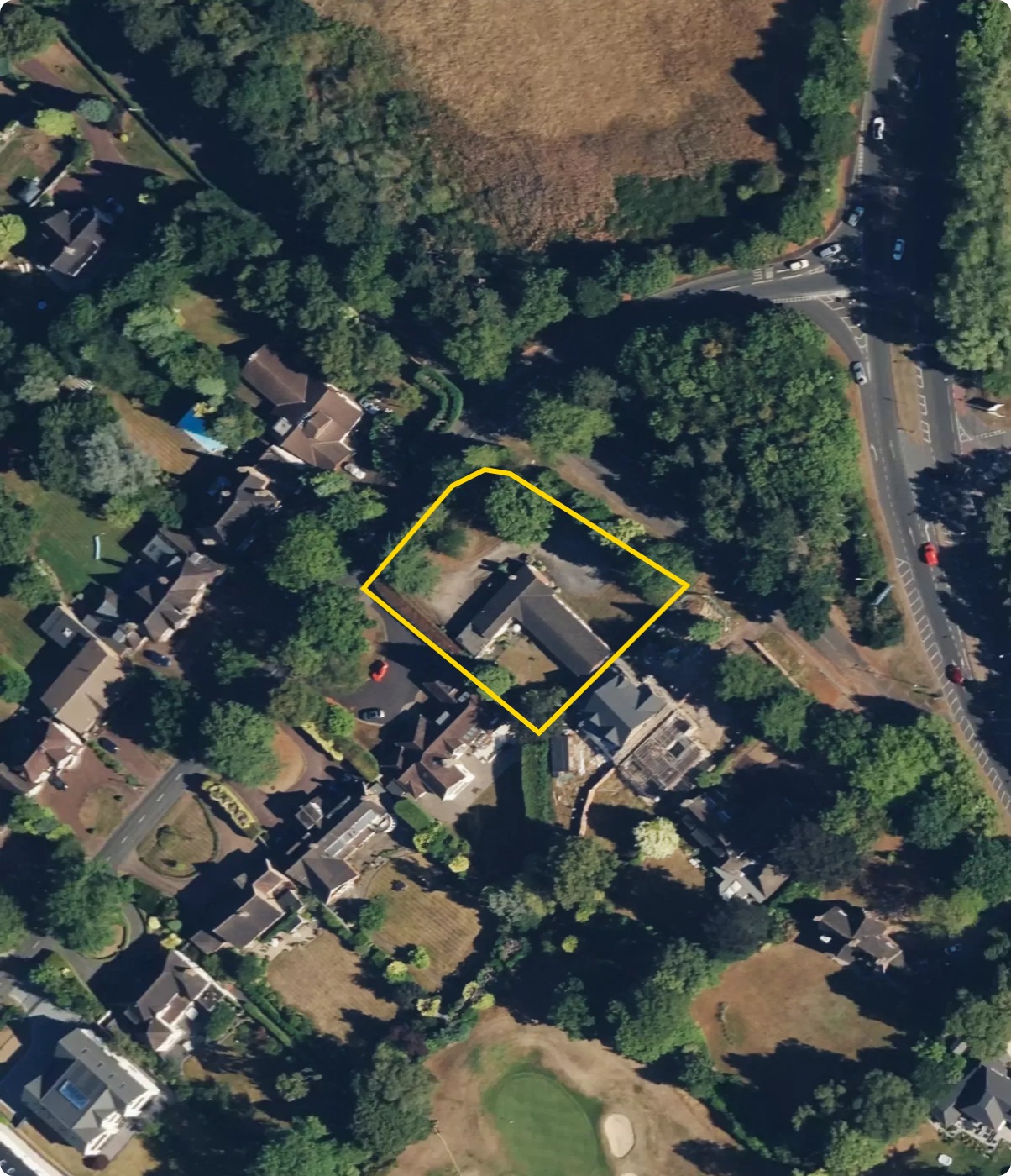
How many homes should you apply for on your London plot?
Across London, one home, two to three homes and four to nine homes are approved at similar rates, but a few boroughs behave very differently.
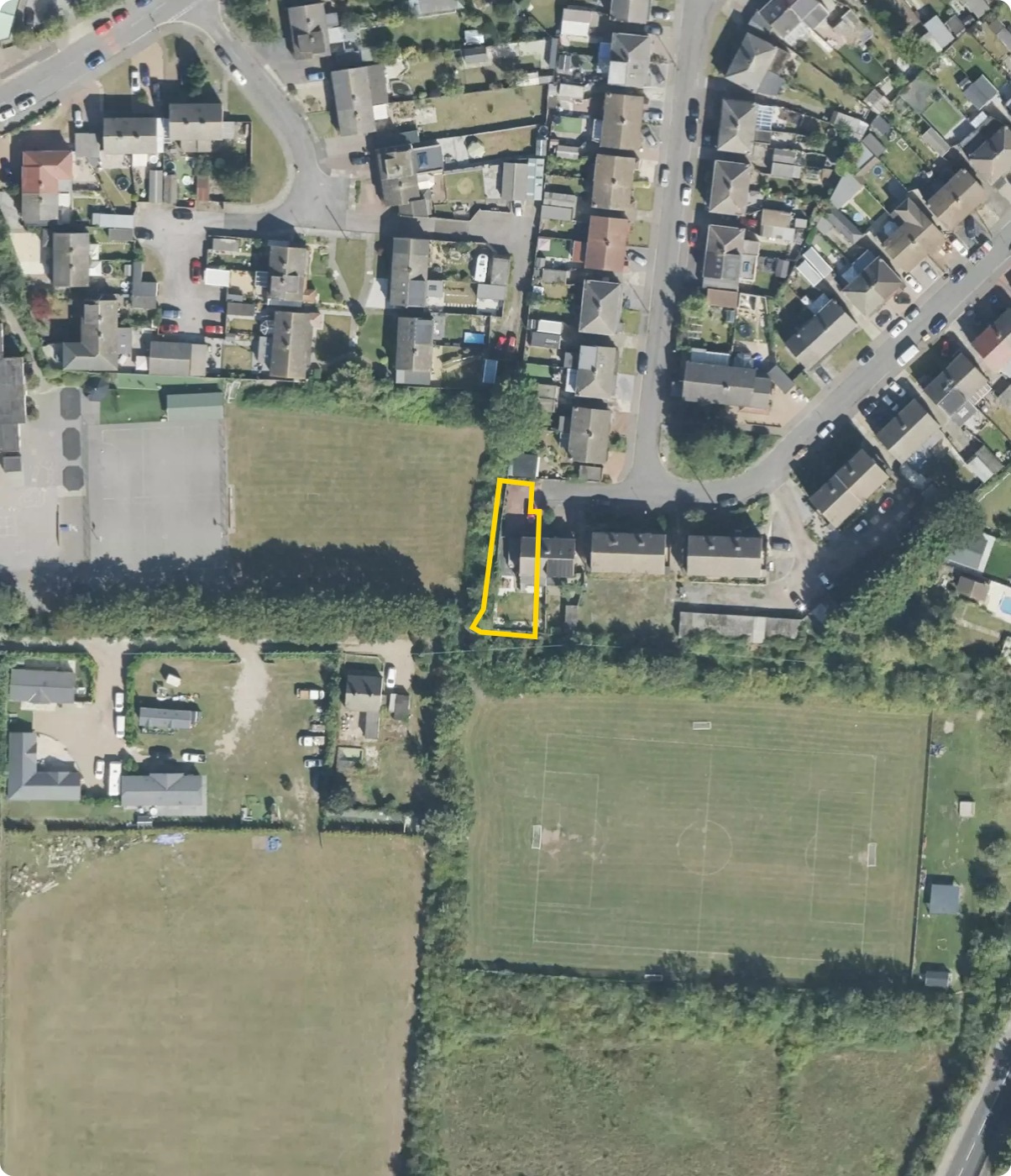
Which London boroughs approve small housing schemes
We ranked London's boroughs by how often they approved schemes of one to nine homes since 2021, from Merton at 71 per cent to Havering at 30.
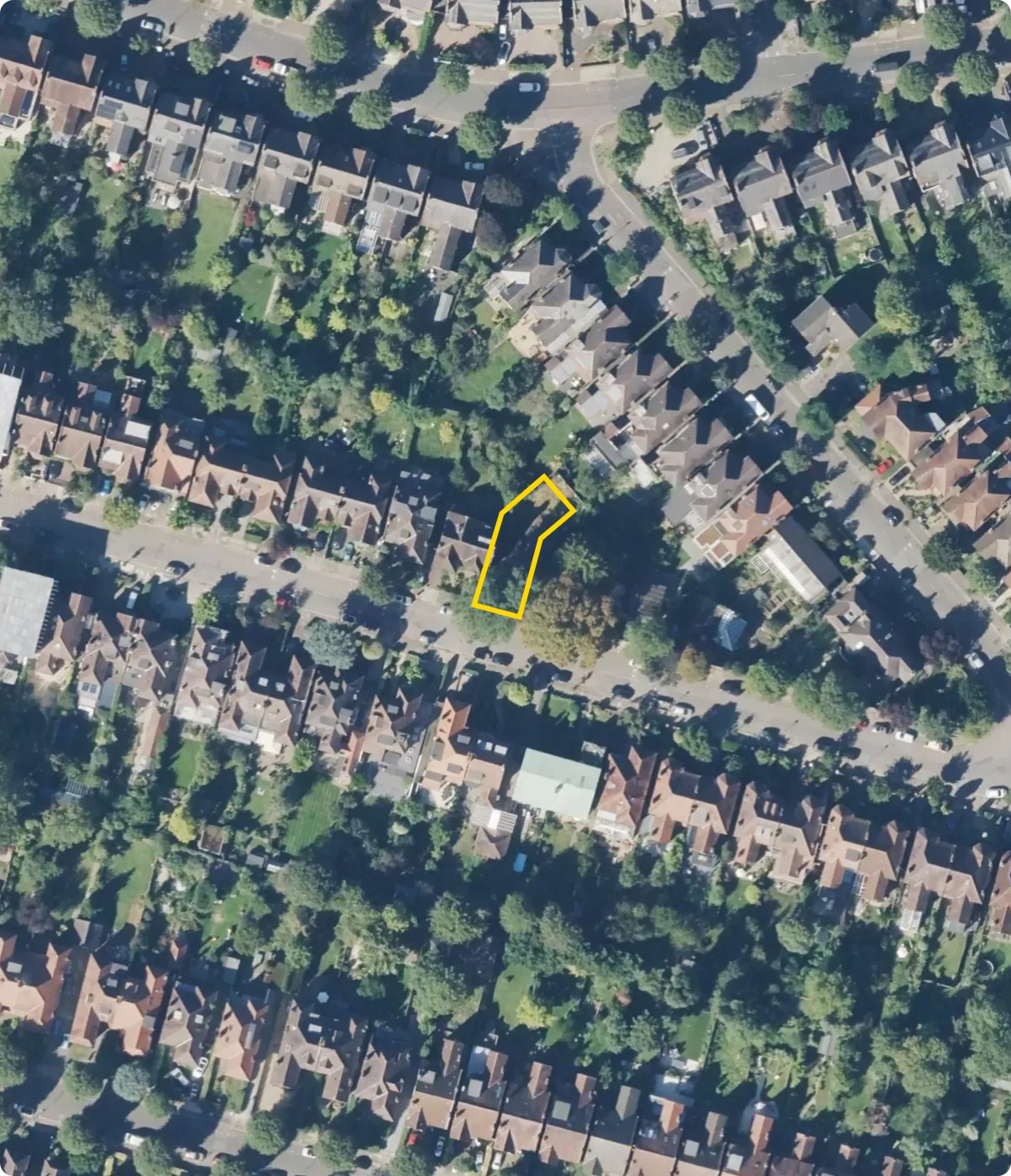
Where do I start with planning on my London land?
A seven-step order of play for a London landowner who thinks a plot might take a home or two: constraints, precedent, access, route and council.
Check your land for free
Find out which constraints affect your property and what your options are. Takes two minutes.
Check my land →