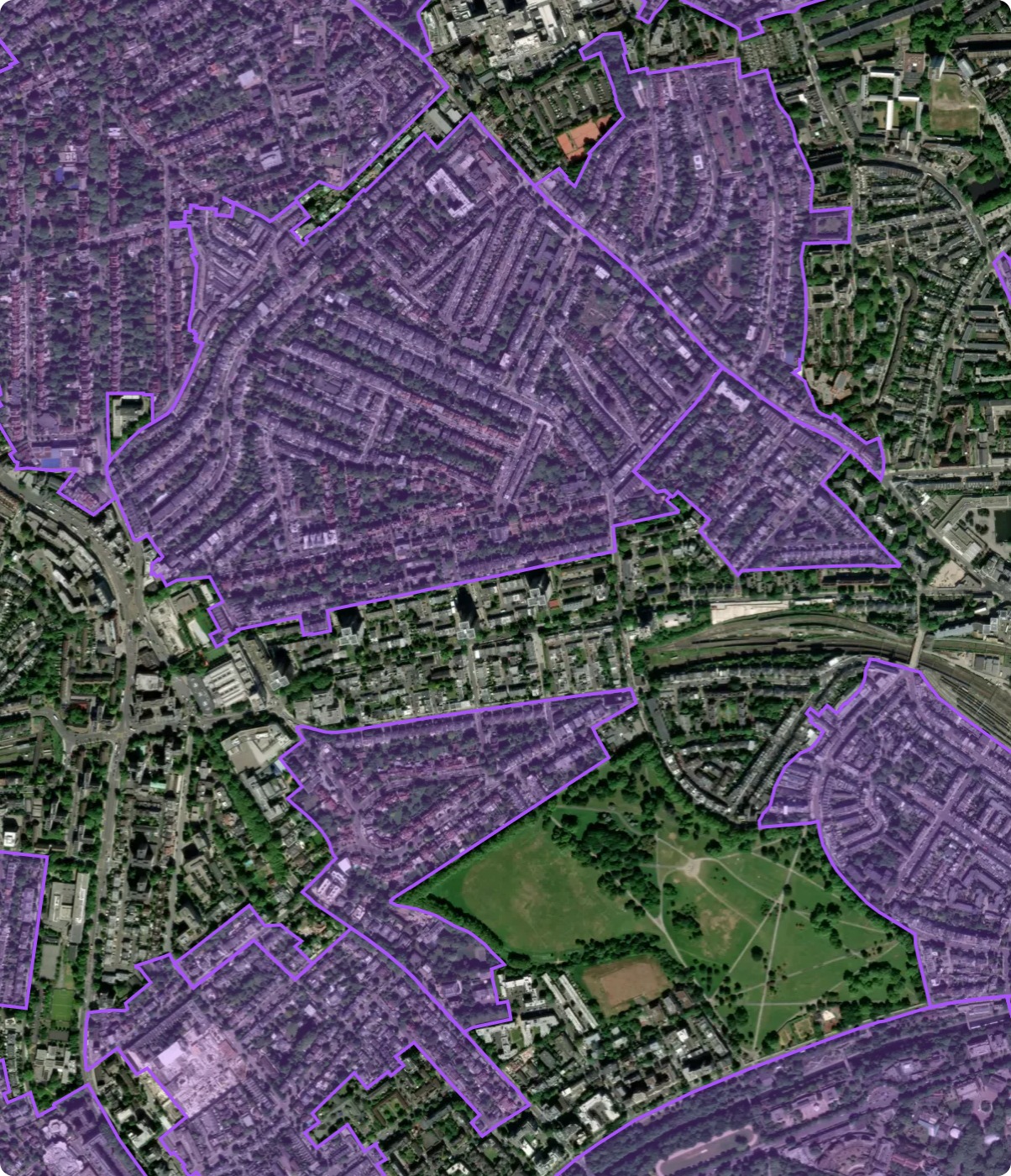
What is a planning constraint. and does yours matter?
What is a planning constraint?
A planning constraint is a rule or designation that limits what you can do with your land. It might prevent building altogether, require special permission, force you to preserve something, or simply make development more complicated.
In the UK, constraints come from national law, local policy, and environmental or heritage considerations. They're not random. they exist to protect things the public has decided matter: ancient woodland, flood risk, listed heritage, conservation character, and so on.
But here's what many landowners don't realise: a constraint doesn't necessarily kill your land's potential. It just changes the route.
The main types of planning constraint
Flood zones are among the most common. If your land is in Flood Zone 2 or 3, development is still possible. but you'll need a Flood Risk Assessment, and what you can build (houses vs. commercial) may be restricted. Zone 1 is lowest risk.
Conservation areas protect the character of historic neighbourhoods. You can still develop, but your building design must fit the area's character. This usually means longer consultations, not refusal.
Listed buildings. the strictest category. You cannot alter or demolish without special consent. But if you own land with a listed building, you can often still develop the surrounding land if the building is preserved.
Green Belt is designed to prevent urban sprawl. Development is generally 'inappropriate' here, but exceptions exist: extensions to existing buildings, outdoor recreation, agricultural use. It's tight, but not always a complete blocker.
Areas of Outstanding Natural Beauty (AONB) protect landscapes. They're more permissive than Green Belt. Development can happen, but design must respect the landscape character.
Tree Preservation Orders (TPOs) protect individual trees or groups of trees. You can't fell them without permission. But this usually just means you work around them, not that you can't develop the site.
Contaminated land designations mean the site has historic industrial use. This adds cost and time (you need an environmental survey and remediation strategy), but it doesn't prevent development. it just means proper cleanup first.
Heritage assets and archaeology protect historical sites. If your land contains archaeology, you may need a survey and excavation before development. This extends the timeline and adds cost, but is manageable with planning.
Ecological designations. Sites of Special Scientific Interest (SSSI), Local Nature Reserves, ancient woodland. protect wildlife habitat. You need an ecology survey, and sometimes mitigation measures, but development can proceed if the impact is addressed.
The key message: constraints don't all weigh equally
Some constraints are hard stops. A Grade I listed building, for example, is very difficult to demolish.
But many constraints simply change the path. They might:
- Reduce value (flood risk means smaller market, higher insurance)
- Add cost (contaminated land cleanup, ecology surveys, design constraints)
- Extend timelines (more consultations, additional studies)
- Require specialist input (conservation architect, flood engineer, ecologist)
None of these make development impossible. They make it different.
A Green Belt site with a mature tree might seem blocked. But if you can design around the tree, and the planning authority sees public benefit, it can work. A contaminated site costs more to remediate, but remediation is predictable. A heritage site needs care, but care is manageable.
What should you do with this information?
If you own land in the UK and someone has approached you about development, or you're simply curious about your property's potential:
-
Find out what constraints apply. check your local planning authority's website, the Environment Agency (flood), Historic England (heritage), and the Natural England designations map.
-
Understand them in context. a constraint isn't yes-or-no. It's a factor that affects feasibility, cost, and timeline. You need a developer or architect to interpret what it means for your specific site.
-
Know the difference between legal constraints and commercial ones. some constraints are absolute (you can't do it). Others are commercial (you can do it, but it costs more or takes longer). A good developer will know the difference.
-
Check your land for free, see which constraints affect your property, what they mean, and what your options are.
The bottom line
Planning constraints exist for reasons, but they're not destiny. They're one input into a larger conversation about what your land can become, who can build on it, and under what terms. Understanding what constraints affect you is the first step to turning curiosity into opportunity.
Own land somewhere in particular? The Land by postcode pages show recent sales, planning designations and the deciding council for each district.
More articles
How long does planning take in London for a small scheme?
The median small housing scheme in London takes 92 days to decide, from 57 days in Barking and Dagenham to 329 in Camden.
How many homes should you apply for on your London plot?
Across London, one home, two to three homes and four to nine homes are approved at similar rates, but a few boroughs behave very differently.
Which London boroughs approve small housing schemes
We ranked London's boroughs by how often they approved schemes of one to nine homes since 2021, from Merton at 71 per cent to Havering at 30.
Check your land for free
Find out which constraints affect your property and what your options are. Takes two minutes.
Check my land →