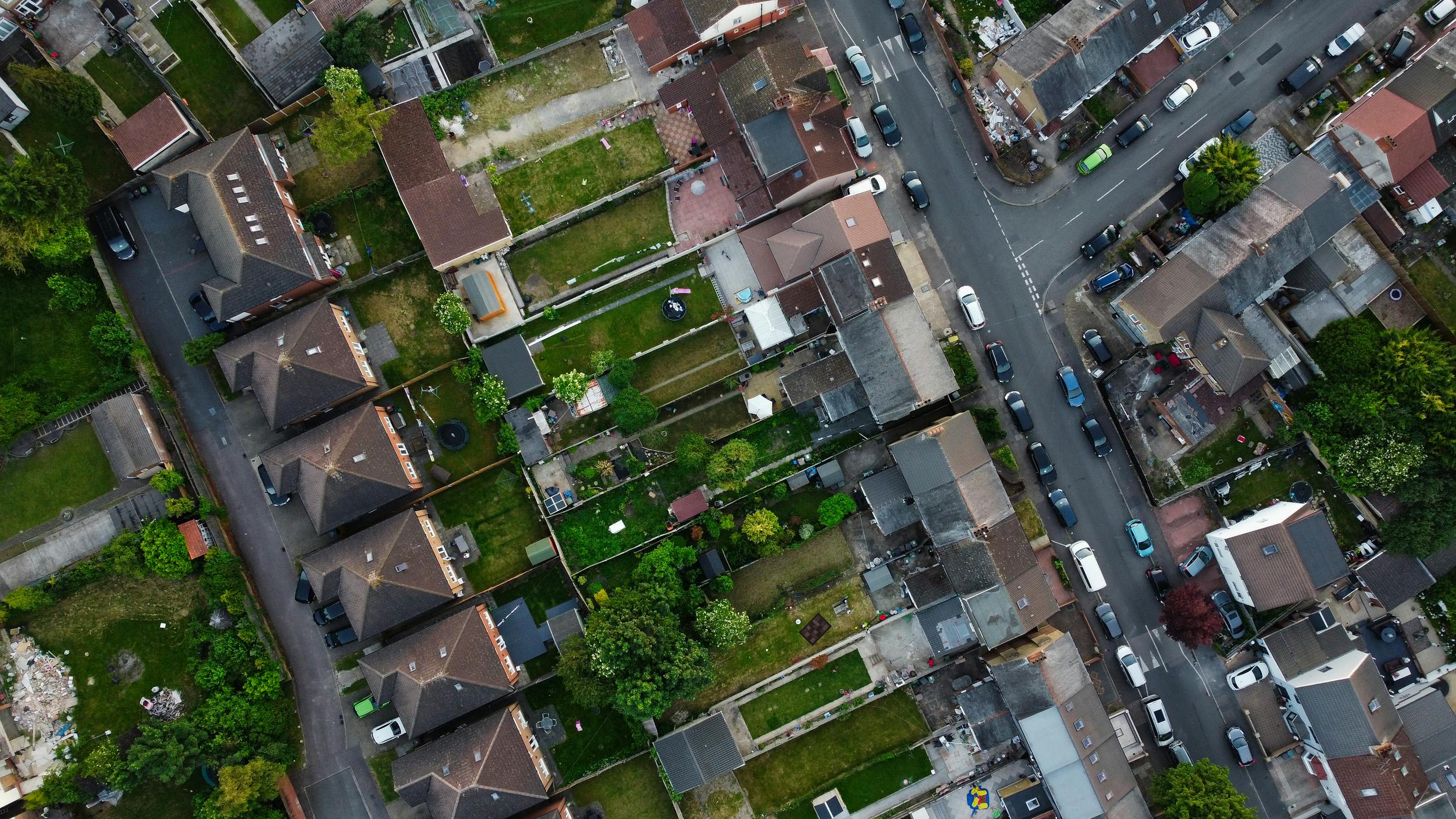
What is development potential?
Development potential isn't just about whether you can legally build on land. It's the realistic market value uplift that comes from planning permission, infrastructure access, and local demand. A plot worth £50,000 for agricultural use might be worth £500,000 with planning permission for homes. That's the power of development potential.
The key factors developers assess
When a developer or architect evaluates your land, they're checking four main things:
1. Planning status and history
Your local council's attitude towards development matters enormously. Councils identify land for new homes in their adopted Local Plans. Some sites have previous planning history-approvals or refusals that signal what's realistic. Check your Local Plan and planning applications history on your council website to see how your site is treated.
2. Physical constraints
Ground conditions, flooding risk, access, and slope all affect whether development is viable and how much it costs to build. Contaminated land, steep terrain, or poor access can dramatically reduce value or make development uneconomical.
3. Environmental and heritage protection
Listed building status, conservation areas, protected habitats, and archaeological finds all add complexity. They don't always kill value-sensitive conversion of a listed barn can create premium homes-but they do affect the type of development that's permitted and the cost of achieving it.
4. Market demand
A plot with planning permission is worthless if nobody wants to develop it. Strong local housing demand, growing employment, and demographic trends all increase how much developers will pay.
The development potential multiplier
Here's the basic formula: raw land value × development potential = real market value. A rural plot worth £30,000 with outline planning for 5 homes might fetch £400,000+ from a developer. That's a 13x multiplier. The same plot with no planning might sell for £35,000-barely above the raw value.
Why this matters to you
Understanding your land's real development potential means you can make informed decisions about selling, pursuing planning permission, or partnering with a developer. You'll negotiate from knowledge rather than guesswork. You'll spot opportunities others miss. And you'll know whether your land is viable for the type of development you're considering.
What to do next
Our free assessment checks your planning status, physical constraints, environmental protection, and realistic development value in just 48 hours. No obligation-just honest analysis from architects and planners who work with these decisions every day.
Own land somewhere in particular? The Land by postcode pages show recent sales, planning designations and the deciding council for each district.
More articles
How long does planning take in London for a small scheme?
The median small housing scheme in London takes 92 days to decide, from 57 days in Barking and Dagenham to 329 in Camden.
How many homes should you apply for on your London plot?
Across London, one home, two to three homes and four to nine homes are approved at similar rates, but a few boroughs behave very differently.
Which London boroughs approve small housing schemes
We ranked London's boroughs by how often they approved schemes of one to nine homes since 2021, from Merton at 71 per cent to Havering at 30.
Check your land for free
Find out which constraints affect your property and what your options are. Takes two minutes.
Check my land →