New Planning Rules Make It Easier to Build a Home in Your Garden
The government published a new National Planning Policy Framework on 17 August 2026. It replaces the December 2024 version.
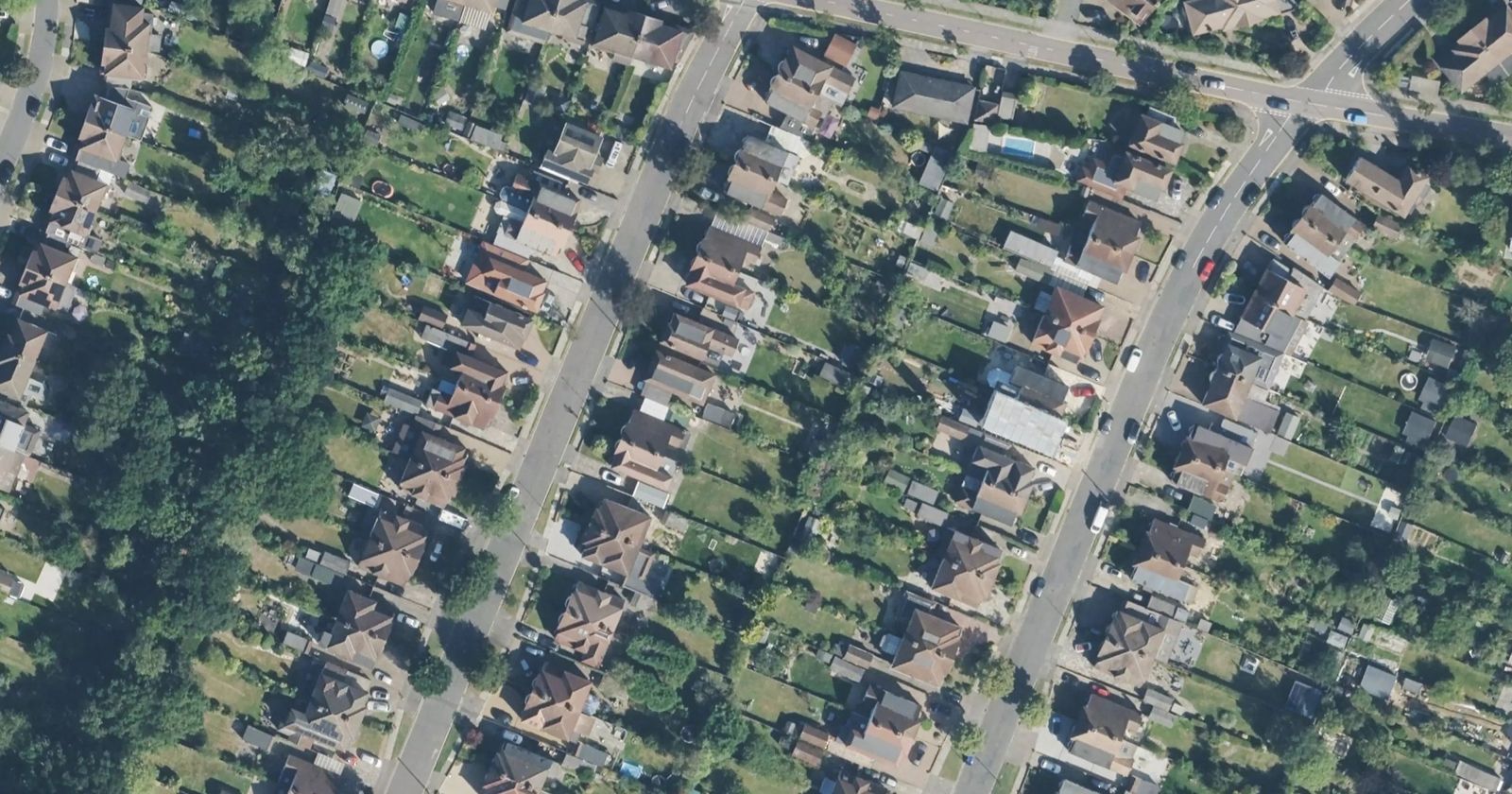
One change matters to anyone with a large garden. Councils must now give "substantial weight" to new homes built within existing residential gardens. The planning term for a garden is a "residential curtilage".
What the New Policy Says
The change is in Chapter 12, "Making effective use of land", under policy L2.
Policy L2 lists types of development that should get substantial weight in a planning decision. One of them is creating extra homes within settlements through "additional units within residential curtilages".
In plain terms, a new house in a back garden now counts as a benefit the council must weigh heavily. The previous framework did not mention gardens in this way.
The Three Tests a Garden Scheme Must Pass
The support is not automatic. Policy L2 sets three tests.
1. It must fit the street scene. The new home should be consistent with the street. There are exceptions. A larger building can be acceptable on a street corner. A home that cannot be seen from the street frontage is also an exception.
2. It must give decent living conditions. The scheme must keep safe access for the people who live there. It must also give acceptable daylight, sunlight, privacy and outdoor space, both for the new residents and for the neighbours.
3. It must leave enough garden. The development should not occupy more than twice the footprint of all the existing buildings on the site. At least 50% of the garden that is not built on today must stay as open space.
The footprint is measured from the buildings that stood on the site on the date the framework was published. A shed or garage built later does not count towards the limit.
The council can allow more than these limits where the extra development does not harm the character of the area. It must also be in a sustainable location with the infrastructure to support it.
What Has Not Changed
A new house in a garden still needs a full planning application. It cannot be built under permitted development rights.
Your council's local plan still applies. So do conservation areas, listed building rules, tree preservation orders and flood risk policy.
Gardens in the Green Belt are still assessed under Green Belt policy.
Access is still a common problem for garden plots. The new policy does not help if the only way in is through the house or across land you do not own.
What This Means for Your Plot
Garden plots that councils used to refuse now have a stronger case. This applies most to long rear gardens, corner plots, and gardens next to a side road or a back lane.
Whether your own garden qualifies depends on its size, its access and the constraints on the land.
For a short guide to the three tests and which gardens suit a new home best, see Can I build a house in my garden?
Find Out What Your Garden Could Be Worth
Check My Land gives you a free assessment by a chartered architect. We check the planning constraints and the access. Then we tell you what a new home on the plot could be worth.
We do not buy land, so the assessment starts from the evidence.
Source: the framework, Chapter 12, policy L2, published on gov.uk on 17 August 2026.
Own land somewhere in particular? The Land by postcode pages show recent sales, planning designations and the deciding council for each district.
More articles
Can I Apply for Planning Permission on Land I Don't Own?
Yes. Anyone can apply for planning permission on land they don't own, but they must notify the owner using the correct ownership certificate.
How Much Is CIL on a New Home in London?
It depends on your borough and zone, and is charged per square metre on top of the Mayor's London-wide rate. Self-builders can often claim an exemption.

Airspace Development: Can I Build on Top of My Building?
Often yes, under permitted development rules that allow extra storeys on houses and blocks of flats, subject to prior approval and strict conditions.
Check your land for free
Find out which constraints affect your property and what your options are. Takes two minutes.
Check my land →