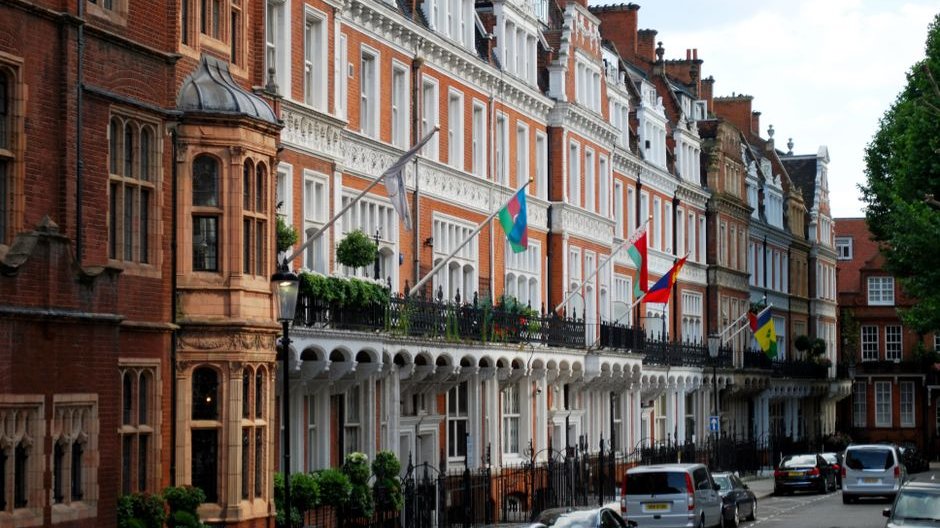
Yes, you can usually still build in a conservation area, including new homes and extensions. The difference is that some permitted development rights are removed, so more types of work need a planning application, and the design has to respect the area's character.
What Changes In A Conservation Area
A conservation area is designated by the council because of its special architectural or historic character. Being inside one does not ban development, but it changes the rules in several ways:
- Reduced permitted development. Some permitted development rights that apply to an ordinary house do not apply in a conservation area. This commonly affects outbuildings and extensions at the side of a house, cladding the exterior with certain materials, and some roof alterations.
- Demolition. Demolishing a building, or most of one, in a conservation area needs planning permission. The old separate "conservation area consent" was replaced by this in 2013.
- Design expectations. Councils assess whether a proposal preserves or enhances the character and appearance of the conservation area. This does not mean copying historic styles, but it does mean the design, materials and scale have to be considered against the surrounding streetscape.
- Trees. You must give the council six weeks' notice under a Section 211 notice before cutting, pruning or felling most trees in a conservation area, even if they are not subject to a separate tree preservation order. The council can object within that period and require replacement planting. Some small or very minor works are exempt, and a notice is not needed if the tree work is already part of an approved planning permission.
New Homes Are Still Possible
Conservation area status is not a block on new housing. Councils approve new homes, extensions and conversions inside conservation areas regularly, including infill plots and garden development, provided the proposal responds properly to the character of the area. The tests are about how it is designed, not whether it can happen at all.
How To Check If You're In One
To find out whether your property sits in a conservation area:
- Search your council's planning policy pages for a conservation area map, usually listed under heritage or conservation.
- Check planning.data.gov.uk, which publishes conservation area boundaries submitted by councils.
- Ask your council's planning department directly, giving your address, if you cannot find a clear map.
It is also worth checking whether an Article 4 direction sits on top of the conservation area, since these often go together and can remove further permitted development rights (see our guide on what an Article 4 direction is).
What This Means Practically
If you are in a conservation area and planning any work:
- Check with the council before assuming something is permitted development, since the normal rules may not apply.
- Budget time and a planning application fee for work that would be free and automatic elsewhere.
- Get a tree survey done early if your project involves any tree work, so you can give the required notice in good time.
- Expect the council to ask for more detail on materials, scale and appearance than it would outside a conservation area.
Frequently Asked Questions
Can I extend my house if it's in a conservation area? Usually yes, but some permitted development rights for extensions, especially at the side of the house, are removed. Check with your council, since in many cases you will need a full planning application.
Do I need permission to cut down a tree in a conservation area? In most cases you must give the council six weeks' notice under a Section 211 notice before working on a tree, even without a tree preservation order, unless an exemption applies, such as a very small stem diameter.
Can I demolish a building in a conservation area? Possibly, but you need planning permission first. The council will want to know what will replace the building and whether losing it harms the area.
Check Your Land
If you are not sure whether your property is in a conservation area, or what that means for your plans, check it first.
See also: Can I build a house in my garden?, How Check My Land works, What is an Article 4 direction?.
Own land somewhere in particular? The Land by postcode pages show recent sales, planning designations and the deciding council for each district.
More articles
Can I Apply for Planning Permission on Land I Don't Own?
Yes. Anyone can apply for planning permission on land they don't own, but they must notify the owner using the correct ownership certificate.
How Much Is CIL on a New Home in London?
It depends on your borough and zone, and is charged per square metre on top of the Mayor's London-wide rate. Self-builders can often claim an exemption.
Airspace Development: Can I Build on Top of My Building?
Often yes, under permitted development rules that allow extra storeys on houses and blocks of flats, subject to prior approval and strict conditions.
Check your land for free
Find out which constraints affect your property and what your options are. Takes two minutes.
Check my land →