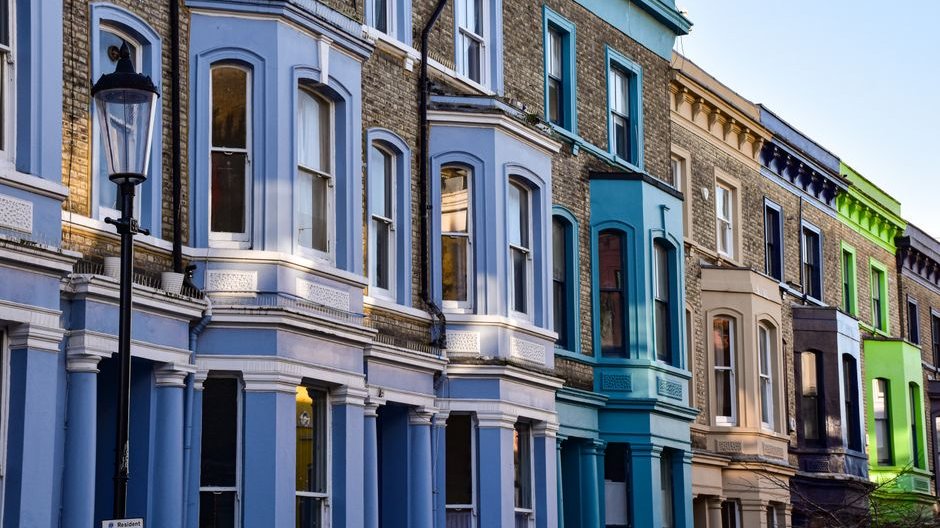
An Article 4 direction is an order made by a council, or by the Secretary of State, that removes specific permitted development rights in a defined area. Once it is in place, work that would normally be allowed without an application needs full planning permission instead.
What It Actually Removes
Permitted development rights let homeowners and businesses carry out certain building work or changes of use without applying to the council. An Article 4 direction withdraws some or all of those rights for a named area or type of development. It cannot be used to stop a change between two uses that already sit in the same use class, only to withdraw rights that would otherwise apply automatically. A direction can be permanent or temporary, and it can cover anything from a single street to a whole conservation area.
Common Uses In London
Councils commonly use Article 4 directions to control:
- Conversion of houses into houses in multiple occupation (HMOs), where this would otherwise be permitted development.
- Demolition of buildings, which is itself a form of permitted development under the General Permitted Development Order.
- Change of use from offices or other commercial uses to residential, where a council wants to keep an area's business or high street function.
- Alterations to the external appearance of houses in conservation areas, such as replacement windows, doors or roofing materials.
Government guidance says directions should be targeted and evidence-based, and should cover the smallest area that achieves the aim. Wide-area directions need stronger justification than narrow, specific ones.
What It Means If You Own A Property Affected By One
An Article 4 direction does not ban the work outright. It means you now need a planning application for something that would otherwise not have needed one. No fee is charged for an application that is only needed because of an Article 4 direction. This matters most for:
- Homeowners planning an extension or outbuilding who assumed it was permitted development.
- Landlords planning to convert a house into an HMO.
- Anyone planning to demolish a building, in full or in part.
- Owners in a conservation area wanting to replace windows, doors or other features on the street-facing elevation.
Work that has already started or finished before the direction takes effect is not affected. If a council refuses permission for something that would have been allowed before the direction, compensation can sometimes be claimed for abortive costs, though this is limited and not automatic.
How To Check If One Applies To Your Property
Article 4 directions are local, so there is no single national map that always covers every one. To check whether your property is affected:
- Search your council's planning policy pages for "Article 4 direction" and the name of your street, ward or conservation area.
- Check planning.data.gov.uk, which publishes Article 4 direction boundaries submitted by councils, though coverage is not complete for every authority.
- Ask your council's planning department directly, giving your address, if you cannot find a clear answer online.
- Check if your property is in a conservation area, since many Article 4 directions sit on top of conservation area boundaries.
If you are planning any work that relies on permitted development, confirm the position before you start. Work carried out without the right permission can lead to enforcement action.
Frequently Asked Questions
Does an Article 4 direction stop me building an extension? No, not on its own. It means an extension that would otherwise be permitted development now needs a full planning application. The council can still grant permission for the same work.
How do I find out if my house has an Article 4 direction? Check your council's planning policy pages, search planning.data.gov.uk, or ask the council's planning department directly with your address.
Can a council remove permitted development rights without warning? An immediate direction can take effect straight away but must be confirmed by the council within 6 months to stay in force. Non-immediate directions usually go through consultation first.
Check Your Land
If you want to know what your land is actually allowed under, including any local restrictions, start with a free check of your plot.
See also: Can I build a house in my garden?, How Check My Land works, Can I build in a conservation area?.
Own land somewhere in particular? The Land by postcode pages show recent sales, planning designations and the deciding council for each district.
More articles
Can I Apply for Planning Permission on Land I Don't Own?
Yes. Anyone can apply for planning permission on land they don't own, but they must notify the owner using the correct ownership certificate.
How Much Is CIL on a New Home in London?
It depends on your borough and zone, and is charged per square metre on top of the Mayor's London-wide rate. Self-builders can often claim an exemption.

Airspace Development: Can I Build on Top of My Building?
Often yes, under permitted development rules that allow extra storeys on houses and blocks of flats, subject to prior approval and strict conditions.
Check your land for free
Find out which constraints affect your property and what your options are. Takes two minutes.
Check my land →