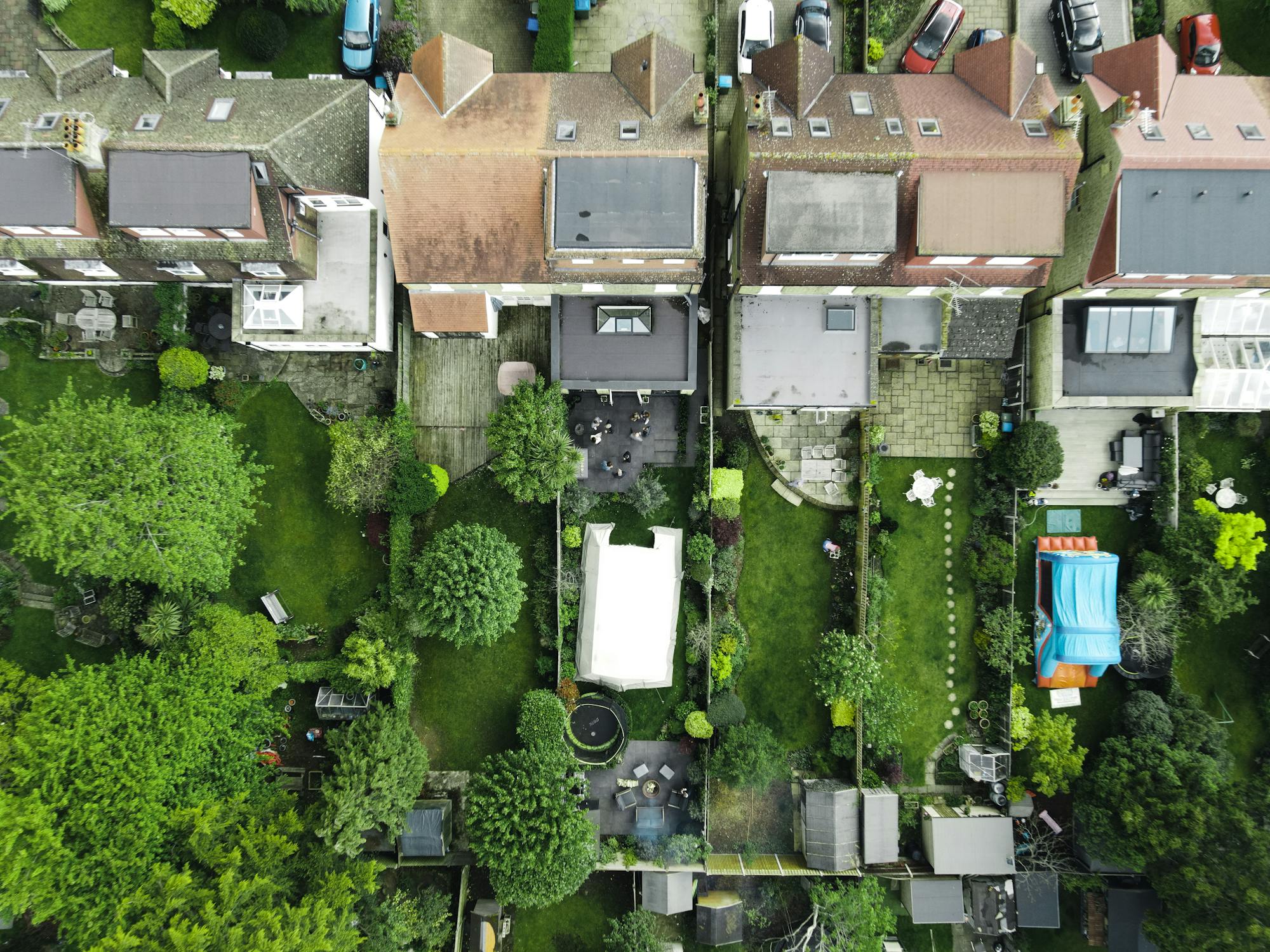
Thousands of UK homeowners have gardens large enough to attract developer interest. If you've been approached. or if you've found yourself quietly wondering whether your plot might be worth something. you're in good company.
But "can you sell your garden?" and "should you sell your garden?" are very different questions. Here's an honest look at both.
What makes a garden worth something to a developer?
Not every large garden has development potential. The factors that matter:
Size and shape. A residential plot typically needs enough space to accommodate a unit with adequate amenity space, parking, and setbacks. Rough guide: you're generally looking at a minimum of around 500–600 square metres for a single dwelling, though this varies considerably by location.
Access. Can a new property gain independent access from the road? A garden that can only be reached through yours adds complexity. access rights need to be established and agreed.
Planning designation. Is the garden within the settlement boundary? Is it within a conservation area, affected by a tree preservation order, or in a flood risk zone? Each of these affects what's possible and at what cost.
Neighbouring precedent. Has planning been granted for similar garden subdivision nearby? Local authorities look at precedent. A street where backland development has been allowed before is a different proposition to one where it hasn't.
Local demand. A garden plot in a high-demand area near transport links is worth more to a developer than one in a less sought-after location. They're thinking about what they'll build and what it will sell for.
What are the financial considerations?
The obvious upside is a lump sum. In good locations, garden plots have sold for significant sums. enough to be materially life-changing.
But the gross figure and the net figure can be quite different.
Capital Gains Tax will apply to the profit on the sale. Your main residence exemption (principal private residence relief) doesn't automatically apply to land sold separately from your home. Whether and how much CGT you owe depends on the specifics. get advice early, because the timing of a sale can affect your liability.
Legal costs for a land sale are more substantial than a standard residential conveyancing. Boundary agreements, access rights, title splitting. these take time and cost money.
Impact on your remaining property. Consider whether losing part of your garden affects the value or appeal of your home. Overlooking from a new building next door is a real consideration. So is the construction period itself. months of noise, access, and disruption.
What are the non-financial considerations?
Money isn't the only factor. Some things worth thinking through honestly:
Do you actually use the part of the garden in question? A garden you barely visit looks very different to one that's central to how you live.
Are you comfortable with a new house being built behind or beside you? Some people are. it feels like neighbourly urban density. Others find it genuinely difficult once the reality sets in.
What's your timeline? Some deals complete relatively quickly. Others, especially options or promotion agreements, can take years. If you need cash soon, that matters.
The right question to ask first
Before you decide anything, the most useful thing is to understand what your garden is actually worth and what a realistic deal looks like. That means knowing whether planning permission is likely, what constraints apply, and what comparable sites have sold for.
Going into a negotiation without that information means negotiating blind. Developers do this for a living. they know more about your land's value than you do, by definition, unless you've done the work to find out.
That's what a Check My Land assessment gives you: an independent, architect-reviewed view of your garden's development potential. No cost, no obligation. You decide what to do with the information.
Own land somewhere in particular? The Land by postcode pages show recent sales, planning designations and the deciding council for each district.
More articles
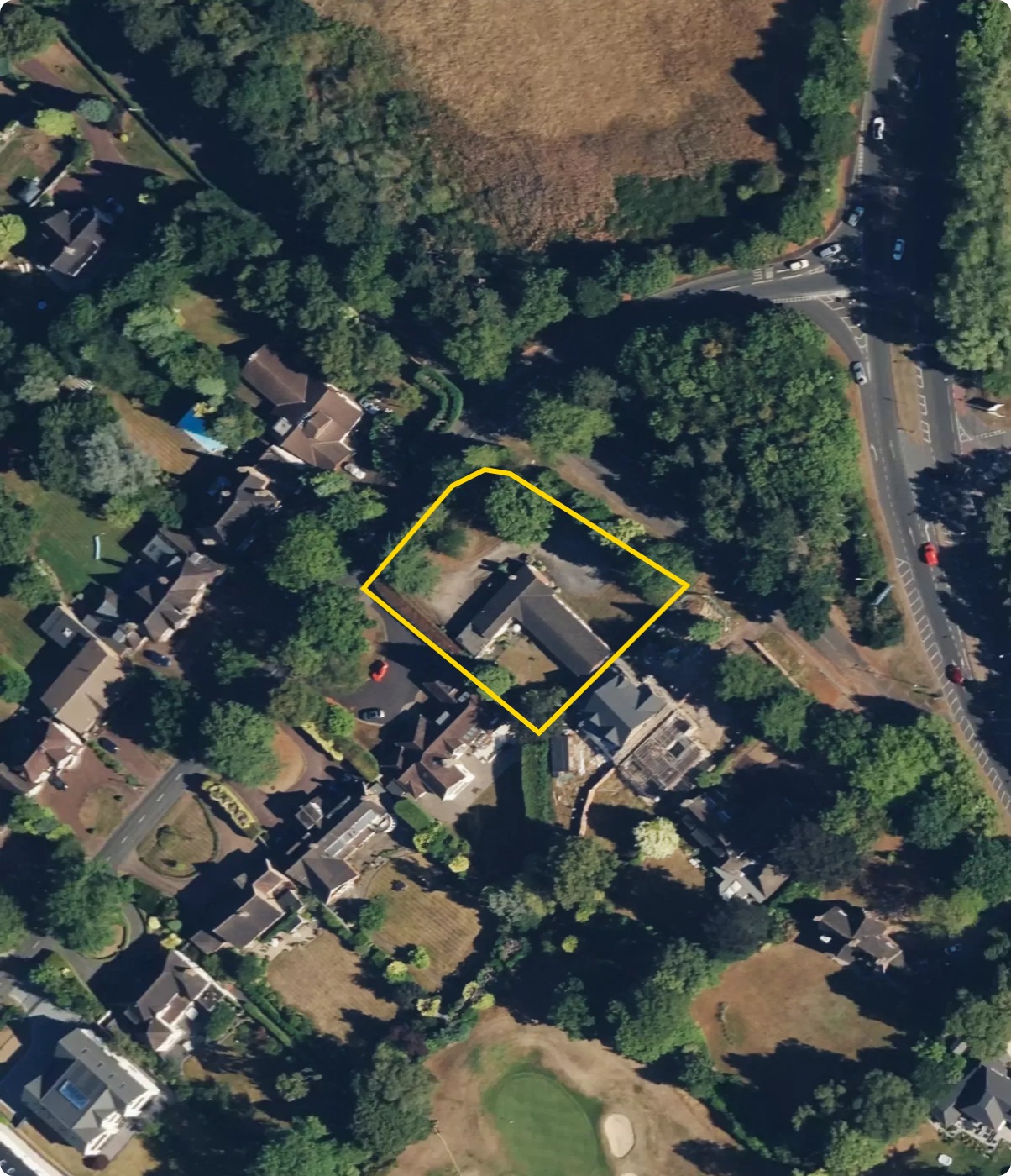
How many homes should you apply for on your London plot?
Across London, one home, two to three homes and four to nine homes are approved at similar rates, but a few boroughs behave very differently.
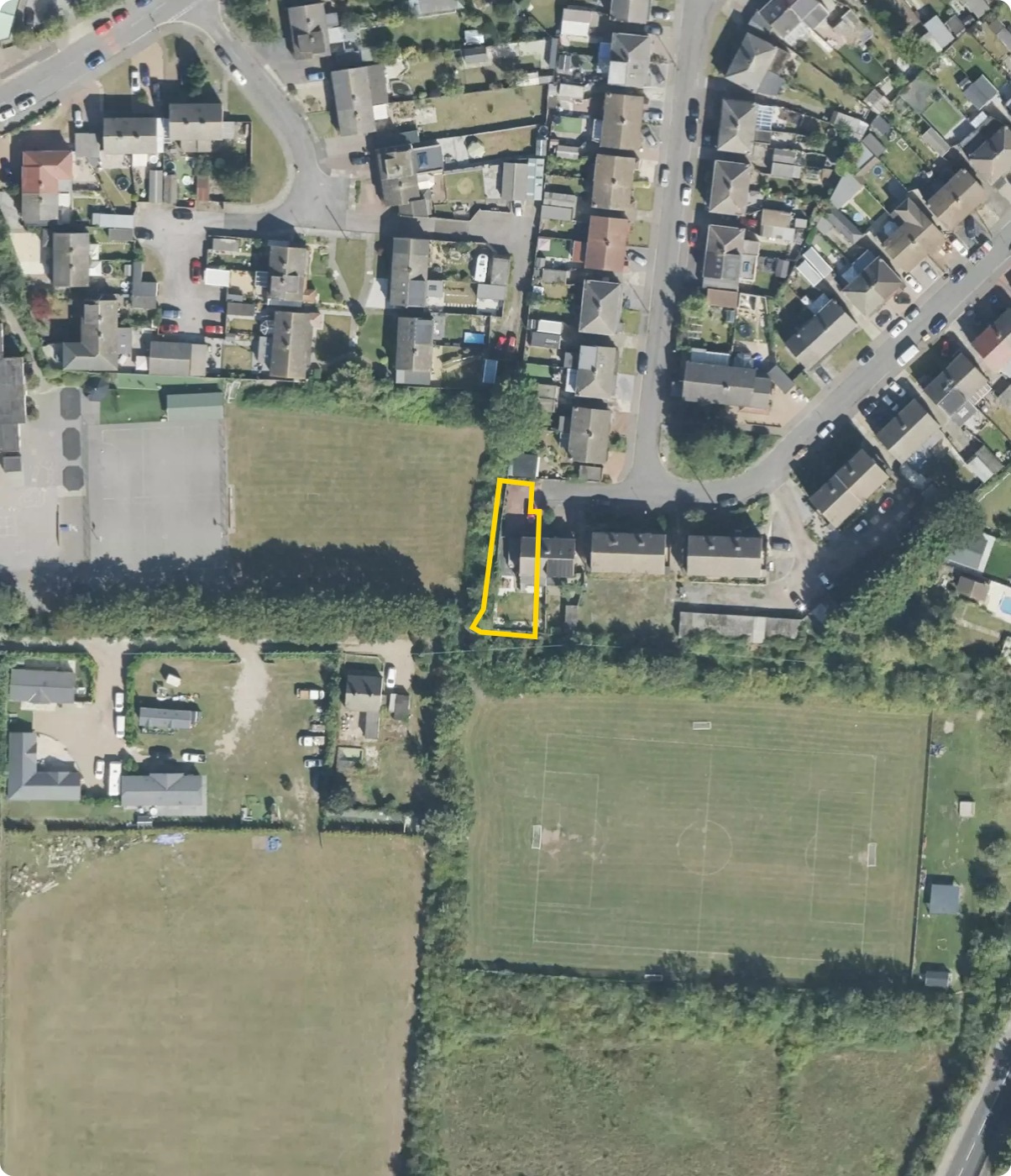
Which London boroughs approve small housing schemes
We ranked London's boroughs by how often they approved schemes of one to nine homes since 2021, from Merton at 71 per cent to Havering at 30.
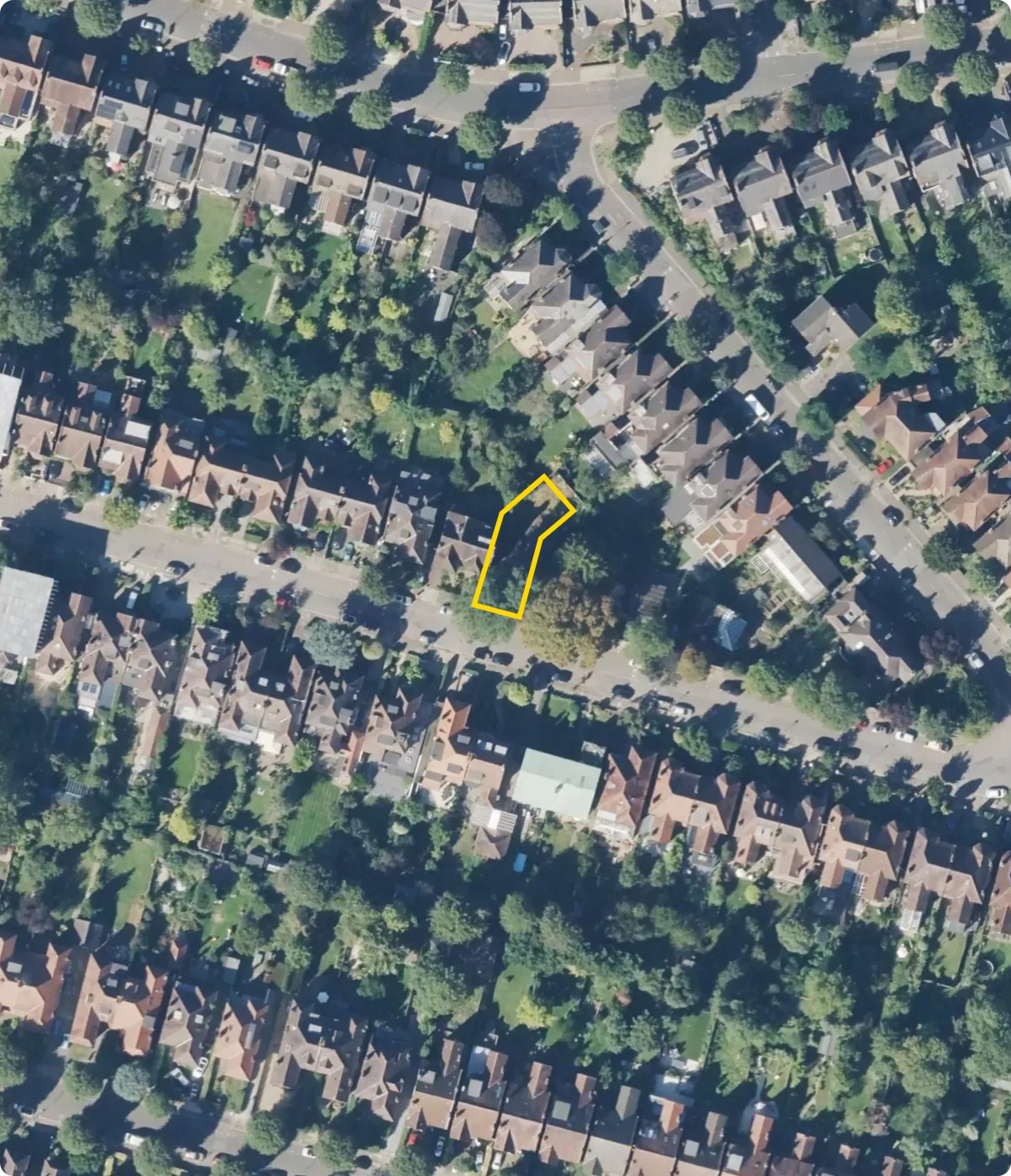
Where do I start with planning on my London land?
A seven-step order of play for a London landowner who thinks a plot might take a home or two: constraints, precedent, access, route and council.
Check your land for free
Find out which constraints affect your property and what your options are. Takes two minutes.
Check my land →