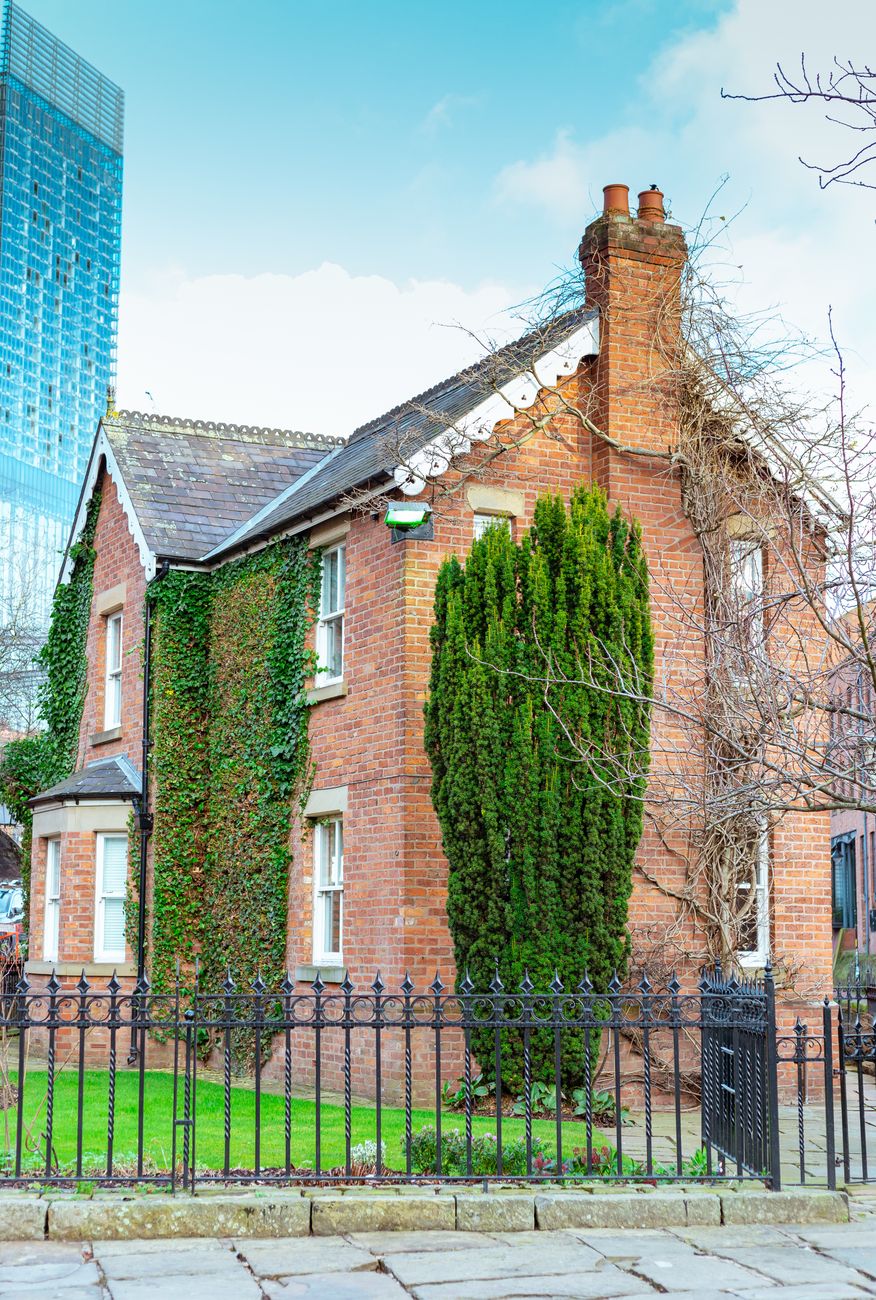
Can You Sell Part of Your Garden? Here's What's Actually Involved
If you've got a big garden and a small mortgage, you've probably wondered whether you could sell off the bottom third to a builder and pocket a lump sum without moving house. It's a genuinely good idea in a lot of cases — but "selling part of your garden" is not the same transaction as selling your house, and it comes with a handful of practical snags that catch people out.
Yes, You Can Sell Part of a Garden
There's no law stopping you from selling a portion of your land while keeping your house. This is called selling "land only" or a "garden plot," and it happens all the time, especially with older houses on generous plots built before infill development became common. The buyer is usually a small developer or a self-builder, and what they're buying is the potential to build a new home on the land you sell.
The process is a formal land transaction, though, not a private handshake deal. It involves splitting the title at the Land Registry, agreeing where the new boundary goes, and — critically — sorting out access, services, and any rights that come with the rest of your garden staying attached to your house.
The Boundary Isn't Just a Fence
Once you sell part of your garden, that plot gets its own Land Registry title, separate from your house. You need a proper plan (a "transfer plan") showing exactly where the new line runs, and it needs to be precise enough that there's no argument later about whose fence is whose.
This matters more than people expect. If you get the boundary line even slightly wrong, or leave something ambiguous — like who owns the drainage running underneath, or whether an overhanging tree is on your side or theirs — it becomes a dispute that solicitors have to untangle years down the line, often at your expense.
Check Your Mortgage First
If your house has a mortgage, your lender has a legal charge over the whole property, including the garden. You cannot sell off part of the land without your lender's consent, because you'd be selling something they technically have a stake in as security for the loan.
In practice, most lenders will agree to release part of the land from the mortgage, provided the remaining house and garden are still worth enough to cover what you owe. But it takes time, paperwork, and sometimes a valuation, so this needs sorting out early — not after you've already agreed a price with a buyer.
Does It Need Planning Permission First?
Here's the part that trips people up: you can legally sell a plot of garden without planning permission attached to it. But almost no developer or self-builder wants to buy "just land" with no certainty they can build on it. Land with planning permission — or at least a strong planning history suggesting permission is likely — is worth substantially more than land without it.
That leaves you with a choice. You can sell the land as-is and let the buyer take on the planning risk (usually at a lower price, sometimes with a lower initial payment and an uplift clause if they later get consent). Or you can apply for planning permission yourself before selling, which takes longer and costs money upfront, but usually delivers a much higher sale price because you're selling certainty rather than potential.
Neither route is automatically better — it depends on how much cash you need now versus how much you're willing to risk and wait for.
Access Is Often the Real Obstacle
A garden plot is only buildable if the new house has a legal right of access — to a road, and to services like water, drainage, and electricity. If the only way in or out of the plot to be sold is across your existing driveway, you'll need to grant a formal right of way, which becomes a permanent legal arrangement attached to both properties forever, not just a favour between neighbours.
This is worth thinking through before you get too far down the road, because a landlocked plot with no independent access is far less attractive to buyers, and fixing it after the fact is much harder than planning for it from the start.
What This Means for You
Selling part of your garden can be a straightforward way to release value from your property without moving, but it's not a casual transaction. You're creating a new legal parcel of land, dealing with your lender, and almost always deciding how much planning risk you want to carry versus hand off to a buyer.
The first sensible step, before talking to agents or developers, is finding out what your garden could actually support — how much land you could split off, whether the site would likely get planning permission, and roughly what that means for value. Check My Land gives you that starting point in a couple of minutes, using your address and the same planning data that professionals use, so you go into any conversation with a developer already knowing what your land is worth.
Own land somewhere in particular? The Land by postcode pages show recent sales, planning designations and the deciding council for each district.
More articles
Can I Apply for Planning Permission on Land I Don't Own?
Yes. Anyone can apply for planning permission on land they don't own, but they must notify the owner using the correct ownership certificate.
How Much Is CIL on a New Home in London?
It depends on your borough and zone, and is charged per square metre on top of the Mayor's London-wide rate. Self-builders can often claim an exemption.

Airspace Development: Can I Build on Top of My Building?
Often yes, under permitted development rules that allow extra storeys on houses and blocks of flats, subject to prior approval and strict conditions.
Check your land for free
Find out which constraints affect your property and what your options are. Takes two minutes.
Check my land →